






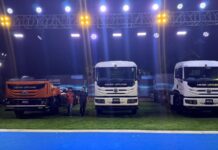




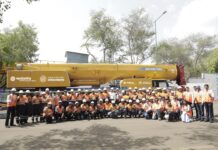





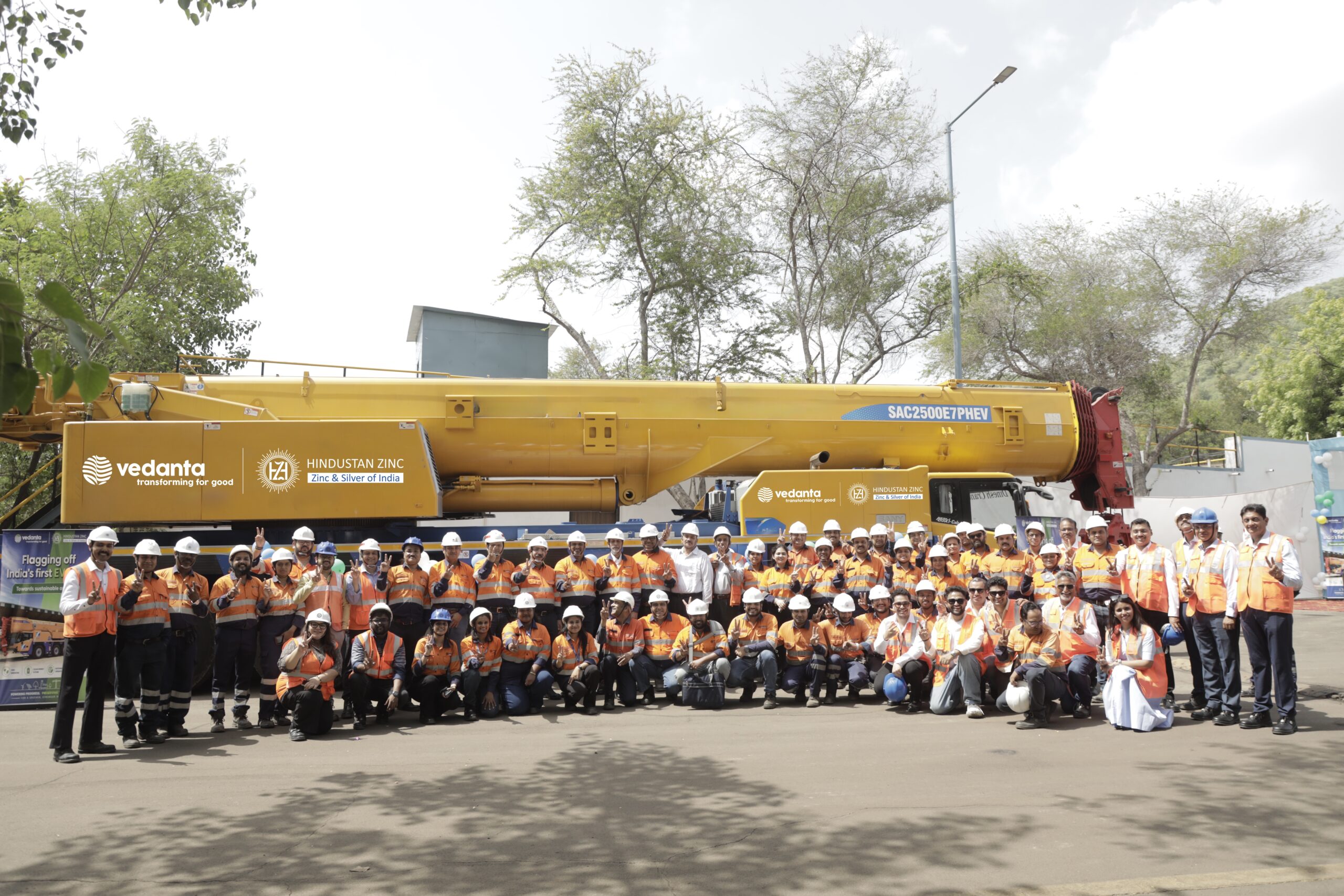
India’s first 250 metric tonne electric crane has begun operations at Hindustan Zinc’s Zinc Smelter in Debari, Rajasthan, marking a significant step in the company’s drive to decarbonize core industrial activities. The crane, a hybrid machine that can operate on both electric and diesel power, is expected to reduce on-site emissions substantially while demonstrating the feasibility of large-scale electric solutions in heavy industry.
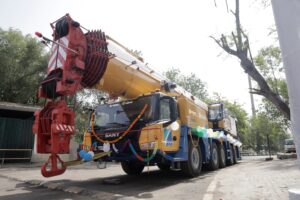
Hindustan Zinc says the new crane will replace a diesel-operated unit that consumed about 93,600 litres of diesel per year. By switching to hybrid operation, the company expects to avoid roughly 250.8 tonnes of carbon dioxide equivalent emissions each year. The deployment forms part of a broader sustainability programme intended to integrate clean technologies across the company’s mining, smelting and logistics operations.
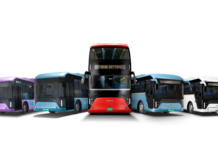
The introduction of this 250 MT electric crane follows multiple prior initiatives by Hindustan Zinc to adopt low-emission technologies. Over the past three years the company has rolled out a range of clean mobility solutions, including underground battery electric vehicles at its Sindesar Khurd mine, electric and LNG-powered logistics fleets, electric loaders at the Rampura Agucha mine and electric bulkers in partnership with GreenLine Mobility. The company’s collaboration with GreenLine Mobility has produced Rajasthan’s largest electric bulker fleet, comprising 40 electric bulkers, and the firm recently deployed two electric buses for employee transit as part of a 41-bus green mobility initiative. Hindustan Zinc notes that these buses include the first electric passenger bus operating in the state of Rajasthan.
Company leaders described the crane as both an operational upgrade and a strategic step on the road to net zero. Arun Misra, Chief Executive Officer of Hindustan Zinc, said the deployment reflects the company’s commitment to adopt cleaner technologies and to reshape industrial practices toward lower-carbon solutions. Sany India, which supplied the diesel-electric hybrid all-terrain crane, emphasized the mutual focus on energy efficiency and emission reduction. Deepak Garg, Managing Director of Sany India, said the partnership aligns with a shared objective of delivering equipment that supports more responsible industrial operations.
Hindustan Zinc positions the new crane within a formal decarbonization roadmap that aims to achieve net-zero emissions by 2050 or sooner. The company reports that renewable sources now account for nearly 18 percent of its power mix and that it has commissioned more than 530 megawatts of round-the-clock renewable energy capacity. Hindustan Zinc has set targets to reduce Scope 1 and 2 emissions by 50 percent and Scope 3 emissions by 25 percent from a 2020 baseline, moves intended to drive measurable reductions across its value chain.
The firm’s broader sustainability credentials include the launch of EcoZen, which it describes as Asia’s first low-carbon zinc brand produced using renewable power and designed for responsible sourcing. Hindustan Zinc also holds certification under international zinc assurance programmes and has been recognized in sustainability assessments. The company was named the world’s most sustainable metals and mining company for the third consecutive year in the S&P Global Corporate Sustainability Assessment 2025, and it became the first Indian firm to join the International Council on Mining and Metals in 2025.
Operationally, the hybrid crane will contribute to improved energy efficiency at the Debari smelter while offering greater flexibility in power sourcing. The design enables the crane to switch between electric and diesel modes as required, ensuring continuity of operations while lowering fuel consumption and emissions when electric power is available. Such hybridisation is often viewed as a practical near-term pathway for heavy equipment in sectors where full electrification may be constrained by infrastructure or duty cycle demands.
The deployment also underscores a growing recognition within the mining sector that heavy machinery presents a major opportunity for emissions reduction. Hindustan Zinc notes that its fleet-level transitions have extended beyond onsite equipment to logistics and employee transport. More than 250 liquefied natural gas trucks now move concentrate between mines and smelters, making the company a leading industrial LNG fleet operator in Rajasthan. The company additionally reports progress on water stewardship and community programmes, stating that it is a certified 3.32 times water-positive company and that its social welfare initiatives reach millions of beneficiaries.
By demonstrating the scalability of hybrid and electric technologies in a demanding industrial environment, Hindustan Zinc aims to influence wider adoption across the sector. The company frames the crane as both a tangible emissions-reduction measure and a proof point for the potential of cleaner equipment to support industrial productivity and resilience.
As industrial operators weigh pathways to lower carbon footprints, solutions such as large-capacity hybrid cranes may become an increasingly common feature of modernised mining and smelting sites. Hindustan Zinc’s deployment at Debari offers a case study in combining renewable energy procurement, fleet decarbonisation and operational innovation to meet ambitious climate commitments.