

























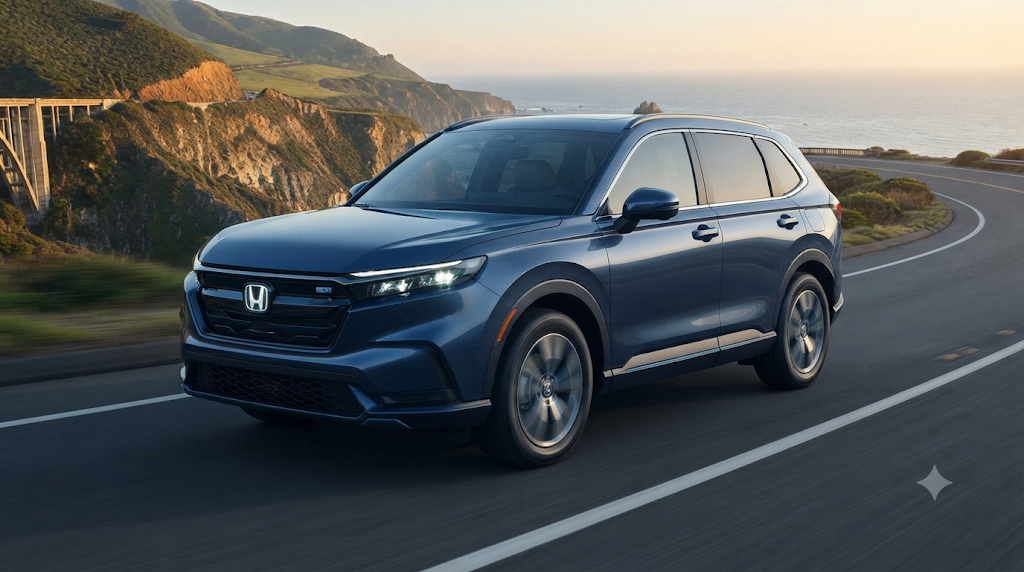
Honda Cars India is set to enter the fast-growing Indian electric vehicle segment with its first global, in India-manufactured electric SUV – the Honda Alpha.
While the SUV is set to have a global launch on December 2 2026, India is anticipated to be the first country to get access to the mass-produced Alpha. Developed from the Honda 0 Alpha concept, the Alpha will be key to Honda as it moves towards an electrified future and produces vehicles targeted at Indian and global consumers.
The Alpha will be produced at Honda’s Tapukara plant in Rajasthan. As well as supplying the Indian market, it will also be exported. Thus, the Alpha is not just an Indian vehicle, but has global relevance for Honda. Although Honda has confirmed the name and global launch date of the Alpha, it has yet to officially share information on its vehicle specification, battery size, range, power and recharging times. It has also not disclosed pricing information.
Design
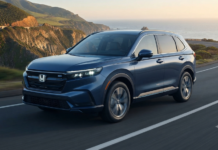
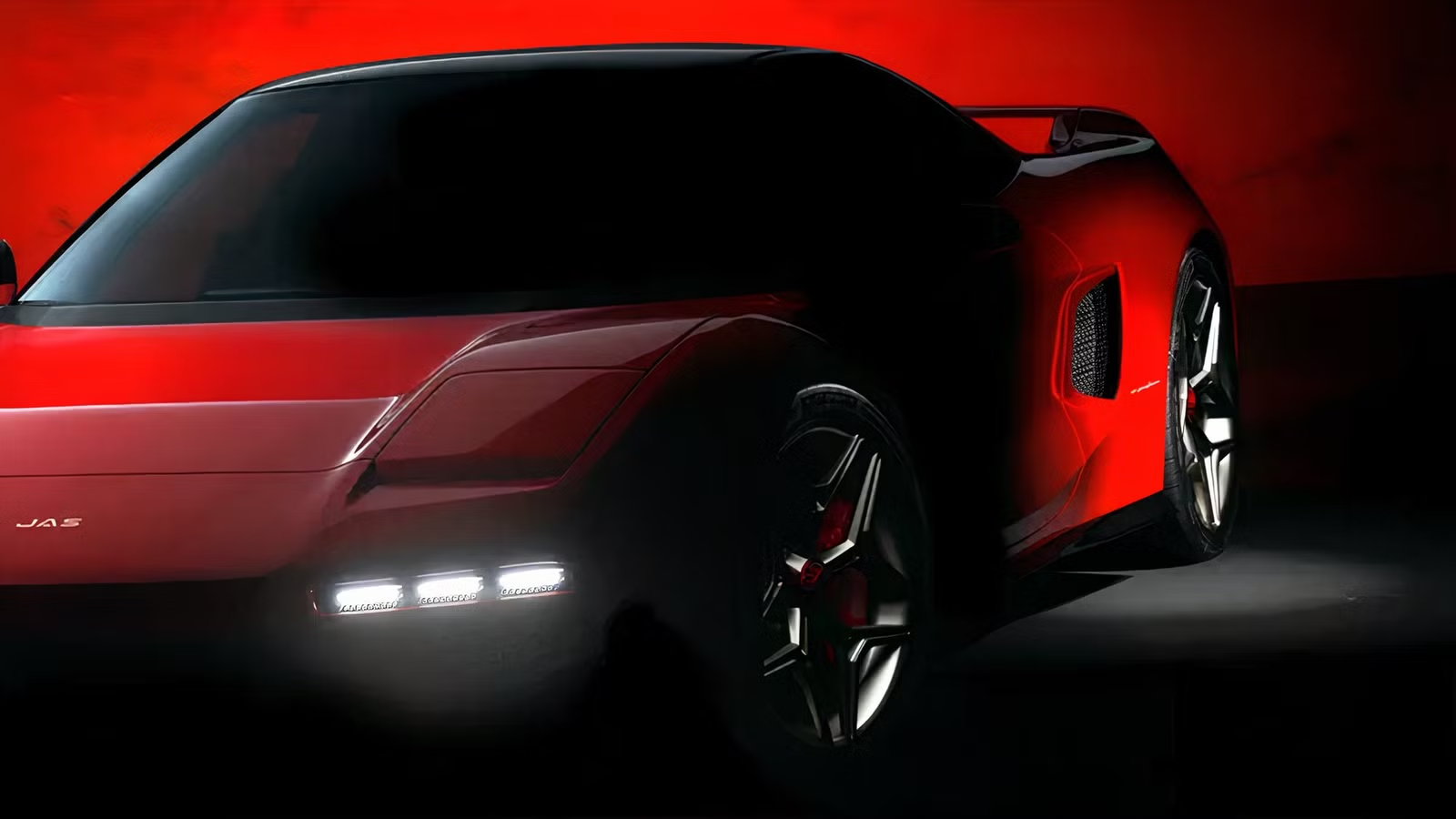
It is anticipated that the Alpha will be developed from the 0 Alpha concept, which showcased Honda’s vision for future electric vehicle design. The production Alpha is likely to have contemporary and futuristic styling. It should have a box-like shape, and a tall stance. Simplicity will also likely be an important design theme. There may additionally be slim LED headlamps, a sealed-off front bumper section, integrated illumination and a fresh Honda ‘H’ emblem.
Furthermore, the SUV is anticipated to have 18 inch specially designed alloy wheels. This may further boost the vehicle’s aerodynamic properties – an important issue for improving the range of an electric car. Overall, the design is expected to combine luxury and functionality so that it can be used effectively for both urban and out-of-town driving.
Honda is anticipated to classify the Alpha as a mid-sized vehicle. It is reported to be bigger than current electric SUVs such as the Hyundai Creta Electric and Maruti Suzuki e Vitara. Consequently, it could provide greater interior room and therefore enhanced functionality, particularly for families. Specific details relating to the vehicle’s size, wheelbase, boot space and seating configuration have yet to be officially shared.
Battery and range
Battery and range will be key considerations for the Honda Alpha. Although Honda has not officially disclosed the type of battery that will be used, various reports suggest that it may provide two versions of lithium iron phosphate (LFP) batteries. These are anticipated to measure around 65kWh and 75kWh.
LFP batteries are currently favoured for use in electric vehicles. They generally exhibit good resilience and heat resistance and are also comparatively economical. Should Honda do provide two battery choices, consumers may then decide between a cheaper, smaller battery, or a more expensive, larger battery and so enjoy a greater driving range.
In general, the Alpha is anticipated to have a range of around 450-500 km on a single charge. Previously, some reports had suggested a range of 400-480 km. Moreover, there may even be the prospect of the larger battery providing a range of 500km and above. Vehicle range will be influenced by several factors including battery size, motor efficiency and the car’s weight, aerodynamics, tyre size and driving environment.
Motor and performance
It is anticipated that the Alpha will be powered by one motor and drive the vehicle’s front wheels. Whilst this is likely to emphasise efficiency, cost-effectiveness and functionality, performance may not necessarily be a primary consideration. Front-wheel drive is also expected to provide good controllability and functionality for typical Indian driving environments.
As yet, Honda has not disclosed information about the power and torque that can be generated by the Alpha’s motor. Consequently, it is challenging to currently speculate about the vehicle’s 0-100km/h acceleration time and maximum speed. Nevertheless, Honda is anticipated to optimise the Alpha’s electric motor and drivetrain so that it provides excellent urban driving characteristics, comfortable highway driving and efficient energy usage.
There may also be future potential for Honda to produce a high-performance or all-wheel drive version of the Alpha. However, there has been no official news on whether Honda will develop a dual motor or all-wheel drive Alpha. Details about the vehicle’s drivetrain will therefore have to await the December 2 launch.
Read this- Bajaj Pulsar 125 Neon to be revived
Vehicle features and in-cabin facilities
The Alpha is anticipated to have a contemporary and well-equipped interior. Likely in-vehicle facilities will encompass a big touch screen, digital dash display, Bluetooth smartphone integration and induction charging for phones. Automatic air-con and bi-zone air-con are also expected. Furthermore, Honda may provide high quality in-vehicle entertainment along with intelligent vehicle features.
Additional in-vehicle comforts may comprise air-conditioned seats, a sunroof, automatic ORVMs, automatic IRVM, speed regulation and various drive modes. Again, these are expected but have not yet been officially stated. Honda is likely to fit the Alpha with at least equivalent in-vehicle facilities to those available on rival mid-sized electric SUVs.
Safety is also expected to play a key role for the Alpha. It may be fitted with Honda Sensing Level 2 advanced driver assistance systems (ADAS). These might incorporate features such as intelligent speed regulation, lane departure alerting, automatic crash avoidance, blind spot detection and impact alerts.
Price and launch
Whilst Honda has not officially stated the Alpha’s price, industry reports suggest that it may cost around Rs 20 lakh for different versions of the vehicle. This will likely be affected by factors such as battery size and in-vehicle facilities, alongside government benefits, import charges and the extent of localisation. Moreover, Honda’s market approach will also influence pricing.
Later in 2027, Honda is anticipated to officially launch and start supplying the Alpha. Some reports suggest that it may be launched in India as early as March 2027. Nonetheless, Honda has not officially stated when it plans to launch the Alpha. On December 2, the public will for the first time be able to view the actual production Alpha and obtain official information about its features.
Indian competition
Honda is about to enter one of the most fiercely contested areas of the Indian electric vehicle market. Chief amongst the Alpha’s anticipated competitors are the Mahindra BE 6, Tata Sierra EV, Hyundai Creta Electric, Maruti Suzuki e Vitara and the MG ZS EV.
For Honda to be successful, it must provide an electric SUV with a competitive mix of range, recharging speed, safety features, in-vehicle facilities and post-sale service. Should Honda successfully achieve its anticipated 450-500 km range, it may well gain an edge over rivals. Equally, the company will need to ensure that the Alpha is competitively priced as Indian consumers are extremely price-sensitive.
Why the Alpha is significant
The Alpha is significant as it will represent Honda’s true initial foray into India’s electric SUV sector. To date, Honda’s Indian business has predominantly revolved around its petrol vehicles. Thus, the Alpha will be key in allowing Honda to further embed itself within the Indian EV market and to rival both domestic and international brands.
Provided that Honda can supply an Alpha with near 500km range, together with state-of-the-art in-vehicle facilities, robust safety features and competitive pricing, it could successfully compete within the mid-sized electric SUV category. On December 2, the final details relating to the Alpha’s design, in-vehicle facilities, battery types, range, recharging ability and versions will be unveiled. Currently, however, what is definitively known about the Alpha is that it will be a mid-sized electric SUV, will have its global launch in India and will be manufactured in India.
Watch this-