





















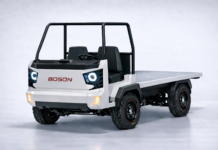






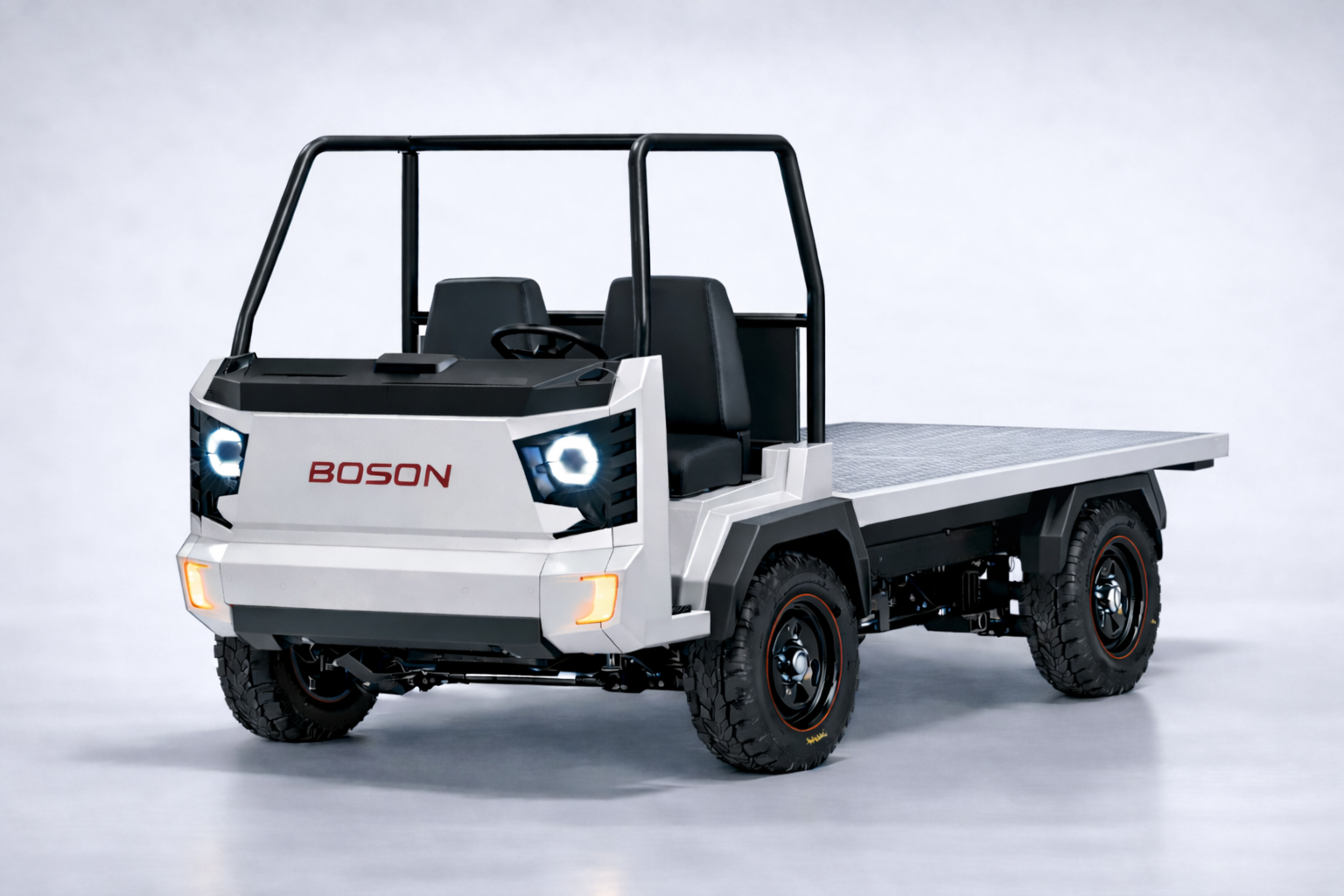
Farming is changing, and equipment is changing with it. The LX40 all-electric utility vehicle is designed specifically for agricultural use, bringing zero-emission operation, lower running costs, and quieter performance to chores large and small. Built with farm workflows in mind, the LX40 aims to replace noisy, polluting utility vehicles across orchards, vineyards, dairy barns, and mixed-use operations without sacrificing durability or capability.
Purpose built for agriculture
Unlike many electric UTVs that are adaptations of recreational designs, the LX40 targets farm tasks from the outset. Its chassis, cargo bed, and accessories were engineered to withstand the rigors of daily farm use: hauling feed and tools, towing trailers, navigating muddy lanes, and working in tight spaces near livestock and crops. Designers focused on ease of maintenance, modular components, and accessory compatibility so operators can outfit the vehicle for specific tasks, from sprayer mounts and bale carriers to enclosed cabs and cold-weather kits.
Quiet operation and animal welfare
One immediate advantage of the LX40 is its low noise profile. Electric drivetrains run much quieter than combustion engines, reducing stress on livestock and making early-morning or late-night tasks less disruptive. Quieter equipment also improves communication between workers and enhances safety in crowded farm environments. For livestock managers and specialty crop growers, that reduced acoustic footprint can translate to less animal agitation and better overall welfare during handling and transport.
Zero emissions and sustainability
The LX40 produces no tailpipe emissions, helping farms reduce their carbon footprint and improve air quality in enclosed spaces such as barns and packing houses. For operations pursuing sustainability or seeking to meet corporate or regulatory benchmarks, switching to electric utility vehicles is a practical step. Lower lifecycle emissions depend on how the electricity is generated, but when paired with on-site renewable energy like solar arrays or biogas systems, the environmental benefits multiply.
Operational savings and performance
Electric motors deliver instant torque, which is useful for towing and heavy starts on uneven or slippery ground. The LX40’s electric drivetrain provides smooth power delivery and predictable control in low-speed, high-torque tasks common on farms. Maintenance savings are another draw: electric vehicles have fewer moving parts, no oil changes, and reduced fuel-system upkeep. Owners can expect lower routine maintenance costs and less downtime for mechanical repairs.
Range and charging considerations
Range is a key practical question for any farm considering electrification. The LX40’s battery capacity and range are designed for typical daily agricultural workloads, with the flexibility to recharge during off hours. For larger operations or continuous heavy use, fleets can be supported by multiple vehicles or on-site fast charging infrastructure. Integrating charging with solar generation and battery storage can further reduce operating costs and ensure vehicles are ready when needed.
Versatility and customization
A strong selling point for the LX40 is configurability. Farmers can specify cargo and passenger layouts, accessory packages, and protection options tailored to their commodities and climate. Whether it is a compact model for narrow vineyard rows or a heavier duty build for livestock operations, the LX40 is offered with features that reflect input from agricultural users. Quick-attach accessory systems and standardized mounting points simplify swapping tools and implements across tasks.
Safety and operator comfort
Electric utility vehicles bring ergonomic and safety benefits as well. Lower vibration and a simplified control interface reduce operator fatigue during long shifts. Optional enclosed cabs, heating, and climate control make year-round use more comfortable. The LX40’s design also incorporates standard safety features such as roll cages, seat belts, and high-visibility lighting suitable for early-morning work or low-light conditions.
The transition challenge and support
Moving a farm fleet to electric requires planning: assessing daily duty cycles, charging logistics, and total cost of ownership. Manufacturers and dealers are starting to offer support packages that include on-farm assessments, financing, and service plans to ease the transition. For many farms, the first electric UTV becomes a testbed that reveals where electrification makes sense now and where hybrid or continued combustion-powered equipment still has a role.
A practical step toward greener farms
The LX40 is not a one-size-fits-all solution, but it represents a pragmatic step toward electrified farm operations. With quieter operation, lower maintenance demands, and zero local emissions, it aligns with modern farm priorities such as animal welfare, worker comfort, and sustainability while delivering the utility and toughness farmers require. For those ready to explore electrification, the LX40 offers a field-ready option that blends proven utility vehicle functions with the advantages of electric power.