
















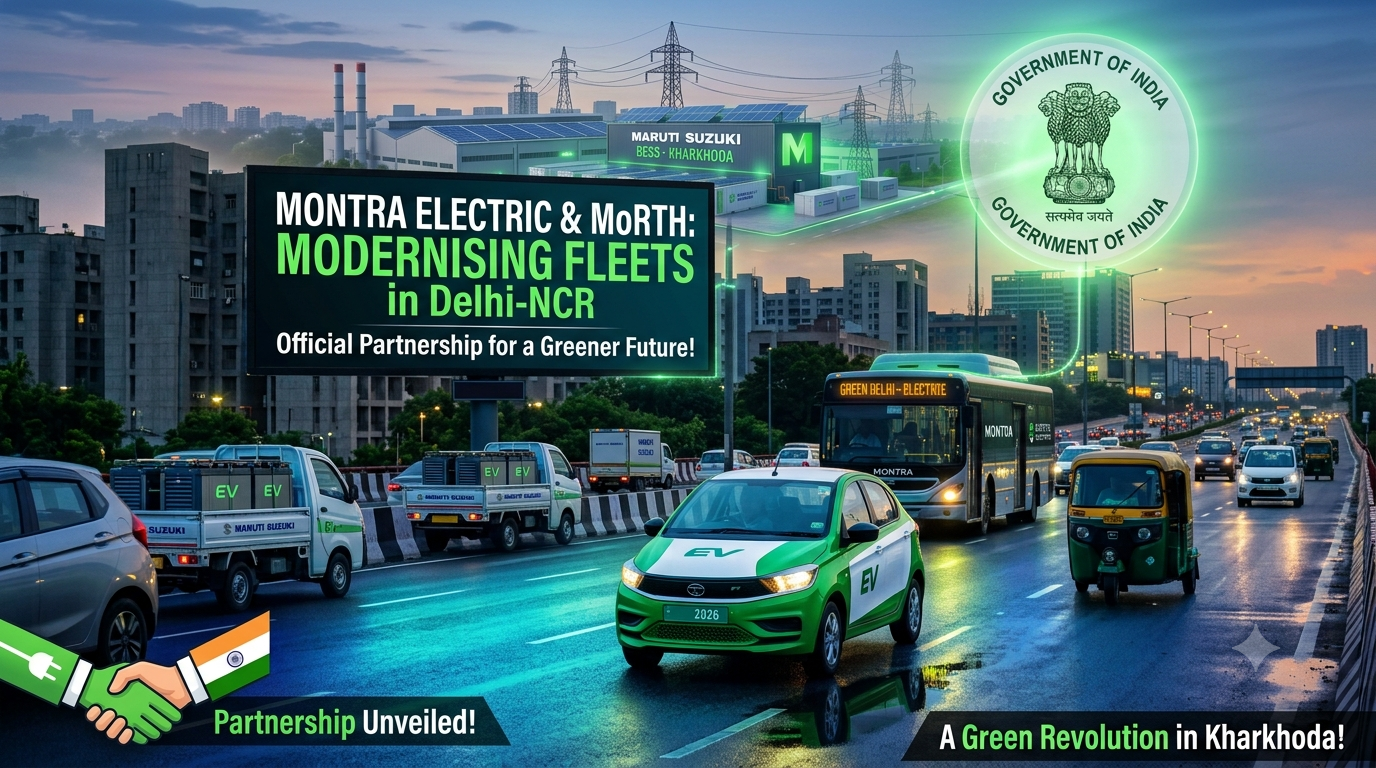
Montra Electric, the clean mobility brand from the Murugappa Group, has taken a major step toward cleaner freight and passenger movement in the National Capital Region by signing two Memoranda of Understanding with the Ministry of Road Transport and Highways (MoRTH). These MoUs are part of the Government of India’s scheme under the National Capital Region Planning Board (NCRPB) policy, which focuses on replacing old, polluting trucks and buses with modern, low-emission alternatives. By tying up directly with the central ministry, Montra Electric positions itself as a key partner in the transition from legacy internal combustion engine commercial vehicles to electric fleets in one of India’s most polluted and traffic-heavy regions.
The NCRPB policy is designed with a very specific purpose: to phase out ageing commercial vehicles that contribute significantly to poor air quality in Delhi and its surrounding areas. Heavy-duty trucks and buses running on older diesel engines produce high levels of particulate matter and nitrogen oxides, which are among the primary causes of smog and respiratory issues in the region. By replacing these vehicles with electric medium, heavy and small commercial vehicles, the policy aims to achieve zero tailpipe emissions from a growing share of the freight and passenger transport sector. Montra Electric’s MoUs directly support this goal by offering a ready portfolio of electric commercial vehicles that can plug into the scheme from day one.
The two separate MoUs were signed by Montra Electric’s e-Medium and Heavy Commercial Vehicle (e-MHCV) business and its e-Small Commercial Vehicle (e-SCV) business. This dual approach is significant because it covers both ends of the commercial vehicle spectrum: long-haul and regional haul through the MHCV segment, and last-mile or short-route operations through the SCV segment. Fleet operators in the National Capital Region typically run mixed fleets, including large trailers, rigid trucks, light commercial vehicles and small loaders. By addressing both categories, Montra can offer comprehensive solutions rather than just a narrow product fit, making it easier for operators to plan holistic fleet transition strategies instead of piecemeal replacements.
Under the MoUs, Montra Electric will work with eligible fleet operators and customers to support the adoption of its electric trucks and small commercial vehicles. This support can include providing vehicles aligned with the scheme’s technical requirements, helping customers understand lifecycle cost savings compared to diesel vehicles, and possibly coordinating with financiers or government agencies on incentives and schemes. For operators, the combination of government policy support, scrappage of older vehicles and access to modern EVs can lower the barrier to entry into electric freight. The aim is to ensure that policy, product and practical operations move together so that adoption is not just a theoretical target but a practical, scalable reality.
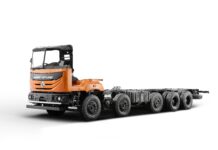
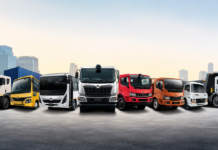
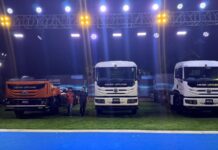
This initiative dovetails with Montra Electric’s broader mission of delivering purpose-built electric mobility solutions across commercial vehicle segments. Unlike generic EV offerings, Montra’s portfolio is designed segment-wise to match specific use cases. In the medium and heavy commercial vehicle category, its headline product is the Rhino series, which includes India’s first 55-ton electric truck-trailer. This vehicle is aimed at heavy-duty applications such as long-haul cargo, containers, industrial materials and major logistics operations. In the small commercial vehicle category, Montra offers the EVIATOR, a 3.5-ton electric truck that is ideal for urban and semi-urban distribution, including e-commerce, FMCG and institutional supplies.
Beyond these, Montra Electric also operates in the last-mile and agricultural segments, demonstrating how wide its clean mobility vision is. The Super Auto is designed for last-mile passenger transport, serving routes that are currently dominated by diesel or CNG auto-rickshaws. The Super Cargo targets last-mile goods delivery, which has boomed in recent years with the growth of online retail and hyperlocal services. In agriculture and rural logistics, Montra has introduced India’s first electric tractor, the E-27, which shifts field and haulage operations toward cleaner energy. Together, these products reflect a “full-spectrum” approach that aims to electrify everything from farm to city and from last-mile to long haul.
The MoUs with MoRTH therefore do more than enable a single project; they connect a comprehensive product ecosystem with an ambitious public policy initiative. For the Government, having a player like Montra Electric onboard helps ensure that there are technologically mature, commercially viable vehicles available to populate the scheme. For Montra, aligning with a national-level replacement programme provides a structured pathway to scale, where volumes can help bring down costs, improve technology and build confidence among more conservative fleet operators.
At a broader level, the tie-up reflects how India is increasingly using targeted policies to tackle urban air pollution and decarbonise transport. Delhi-NCR has long ranked among the world’s most polluted metropolitan regions, with vehicular emissions, industrial activity and construction dust all contributing to poor air quality. While interventions like BS6 norms, fuel quality improvements and odd-even schemes have helped to some extent, addressing commercial vehicle emissions is critical because older diesel trucks and buses contribute disproportionately to pollution. Replacing these with electric vehicles directly reduces tailpipe emissions and, when combined with a cleaner grid over time, can substantially cut overall CO₂ emissions as well.
For fleet operators, this transition is both an obligation and an opportunity. On one hand, policies will increasingly make it difficult or uneconomical to run old, polluting vehicles in sensitive regions like NCR. On the other hand, electric commercial vehicles can offer lower total cost of ownership over their lifetime due to savings on fuel and maintenance, especially in high-mileage applications. By working with Montra Electric under the MoRTH-backed scheme, operators can reduce their environmental footprint, future-proof their fleets against stricter regulations and potentially improve operating margins once the initial transition costs are managed.
Montra Electric’s parent company, TI Clean Mobility, and the broader Murugappa Group bring decades of experience in precision manufacturing and brand-building to this effort. Their shift from “metal to mobility” signals a strategic bet that the future of commercial transport lies in clean, electric solutions tailored to Indian conditions. The new MoUs in Delhi-NCR are a strong signal that this vision is not just aspirational but already being put into practice on the ground. As implementation progresses, the success of this initiative could become a template for similar fleet modernisation efforts in other polluted urban and industrial regions across India.