
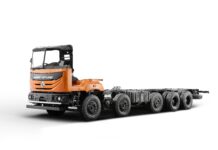


























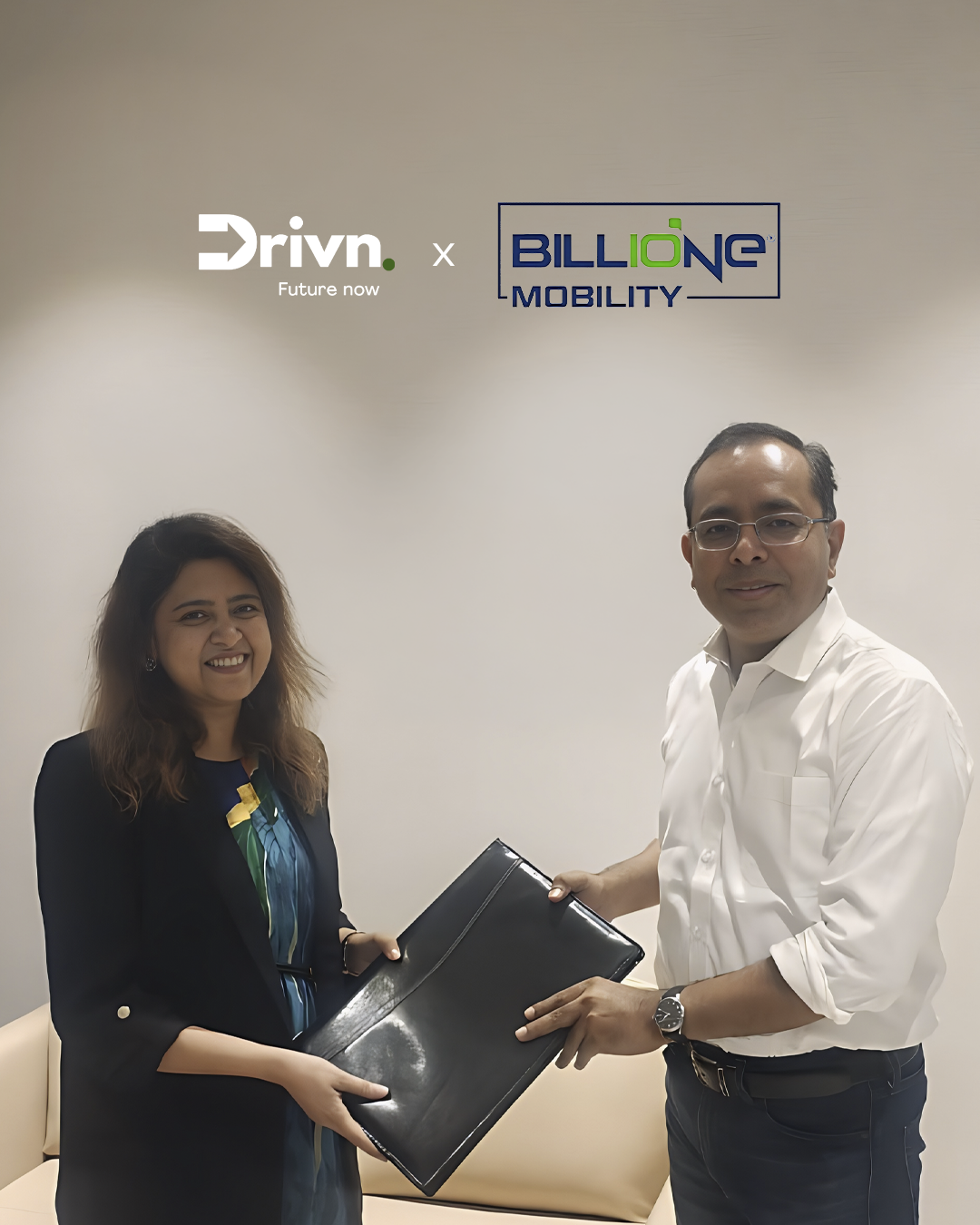
Drivn and BillionE Mobility have entered a strategic leasing partnership to deploy a 200‑truck electric fleet aimed at accelerating the electrification of long‑haul freight in India. The collaboration combines vehicle leasing, route electrification and dedicated charging infrastructure to create an integrated operating model that addresses the key barriers to scaling electric heavy commercial vehicles.
The initiative kicks off with a first phase deployment of 22 electric trucks dedicated to a cement industry offtaker under a long‑term contract. These trucks will operate along an electrified freight corridor supported by purpose built charging infrastructure and coordinated operational processes. Drivn and BillionE say the initial deployment will deliver immediate environmental benefits, cutting more than 4,500 tonnes of CO₂ emissions annually compared with equivalent diesel operations.
Drivn, an EV leasing platform focused on heavy commercial fleets, will provide asset ownership and leasing solutions backed by its technology stack for charging planning, battery lifecycle management and fleet operations. BillionE Mobility, an E‑mobility as a Service platform, will contribute its systems and operational expertise to integrate vehicles, charging and customer workflows. Together, the partners intend to offer a full service model that reduces upfront capital requirements for customers while ensuring high vehicle uptime and predictable operating economics.
“Electric trucks scale only when the right ecosystem is in place,” said Alpna Jain, Co‑founder and Chief Business Officer, Drivn. She emphasized that reliable charging infrastructure, alignment across partners and disciplined on‑ground execution are critical to large‑scale deployments. “Through our partnership with BillionE Mobility, we are focused on ensuring high vehicle uptime, operational consistency, and efficiency across every trip,” she added, noting the project reframes EV freight as a logistics model that delivers environmental and operational value, not merely a technology swap.
Founders of BillionE Mobility, Kartikey Hariyani and CEO Sanjeev Kulkarni, positioned the deal similarly, calling it a collaborative effort to remove adoption barriers by combining technology, operations and financing. The partners say the leasing structure and integrated services will make transition to electric fleets easier for asset intensive sectors such as cement, steel, e‑commerce logistics and intercity transport.
Industry observers view the partnership as an important example of how ecosystem players can de‑risk EV adoption for enterprise customers. Key challenges for heavy EV adoption high vehicle capital cost, charging network gaps, and operational uncertaintyare being addressed by aligning financing, infrastructure planning and fleet management under a single commercially accountable model. By taking ownership of both assets and the charging network, the partners can optimize routes, charging schedules and battery usage to maximize utilization and minimize downtime.
Environmental benefits are significant at scale. The partners estimate annual CO₂ reductions of over 4,500 tonnes from the first 22 trucks alone; scaling to the full 200‑truck fleet could multiply emissions savings many times over. Beyond carbon, the shift also promises reductions in particulate and NOx pollution along freight corridors, improving local air quality near industrial hubs and highways.
Operational success will hinge on several execution factors. Effective corridor electrification requires reliable high‑power charging at strategic nodes, grid readiness and contingency planning for peak loads. Fleet performance depends on detailed route planning, real time telemetry, battery health management and fast maintenance response. The leasing model must also balance lease pricing with total cost of ownership improvements from lower energy and maintenance costs compared with diesel.
Drivn and BillionE plan further phased rollouts beyond the initial 22 trucks, scaling deployments as charging infrastructure and customer contracts mature. The partners also aim to refine fleet operations with data driven insights from their integrated platforms, improving asset utilization and battery lifecycle performance over time.
For the cement sector offtaker and other early adopters, the proposition offers a path to decarbonize logistics without large upfront capital expenditure and with operational continuity supported by specialist providers. For the broader market, the collaboration signals growing maturity in India’s electric freight ecosystem where financing, tech and operations converge to make high‑power electric trucks a commercially viable choice.
If executed successfully, the Drivn and BillionE partnership could become a replicable blueprint for electrifying long‑haul freight in India, demonstrating how leased assets plus coordinated charging and operations can overcome adoption hurdles and deliver measurable emissions and air quality benefits.