















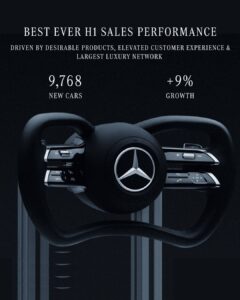
Mercedes-Benz India has closed the first half of calendar year 2026 with its strongest performance ever, signalling robust demand for luxury vehicles and a sharp shift towards electrification in the premium segment. Between January and June 2026, the company retailed 9,768 cars, a 9 percent increase over the 9,013 units sold in the same period last year. This record H1 performance was driven by double-digit growth in the second quarter, a surge in Top-End Luxury models, and rapidly rising sales of battery electric vehicles (BEVs).
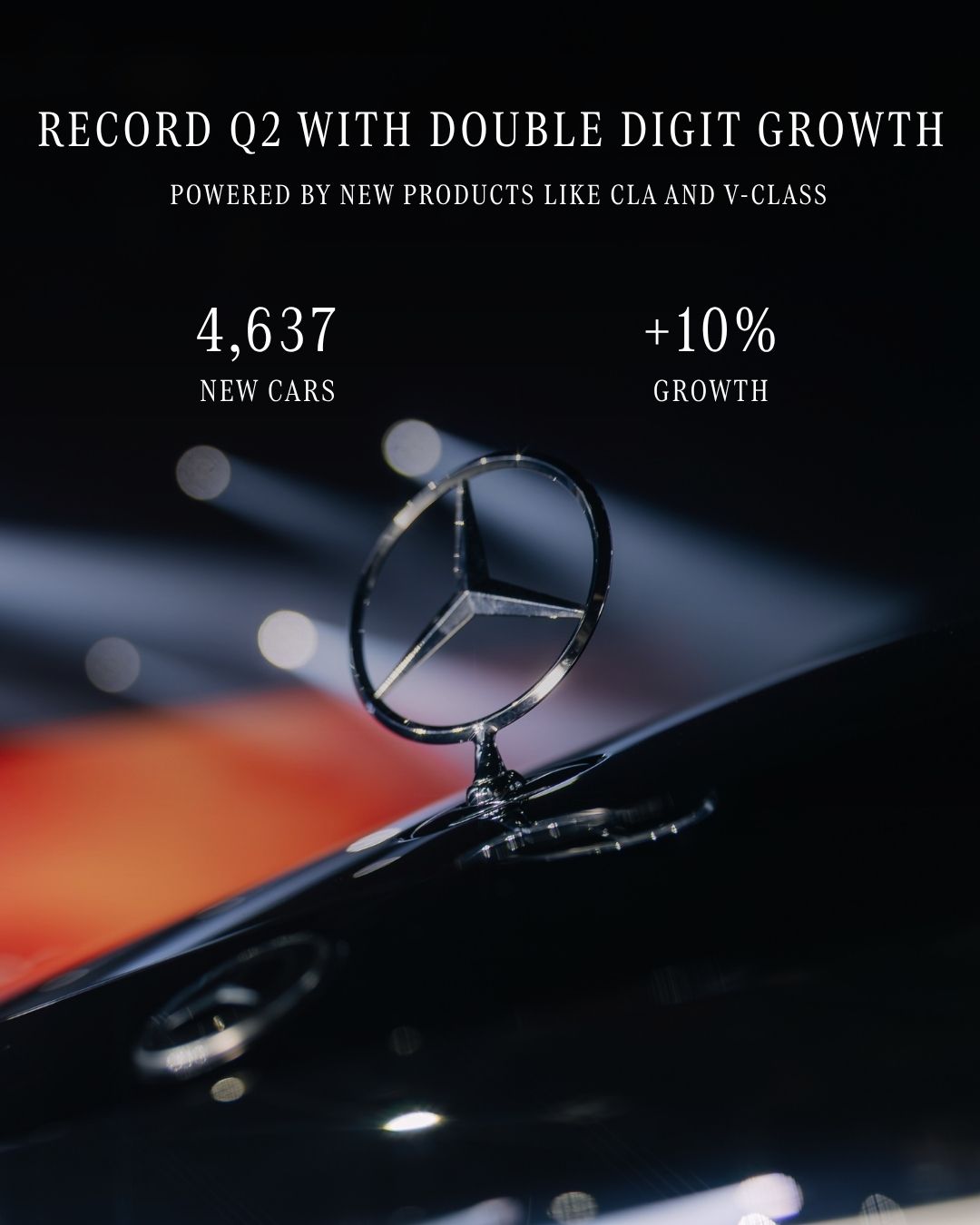
From April to June 2026, Mercedes-Benz sold 4,637 units, its best-ever Q2, marking a 10 percent rise over the 4,238 units delivered in Q2 2025. The momentum came from a mix of successful new launches and consistent demand for core and high-end models. The all-new CLA BEV, positioned in the brand’s Entry Luxury segment, emerged as a star performer, while the New V-Class and established high-end nameplates continued to attract affluent buyers. This combination helped Mercedes-Benz maintain a positive outlook for the second half of 2026, even as the market becomes more competitive and customer expectations for technology and sustainability grow.
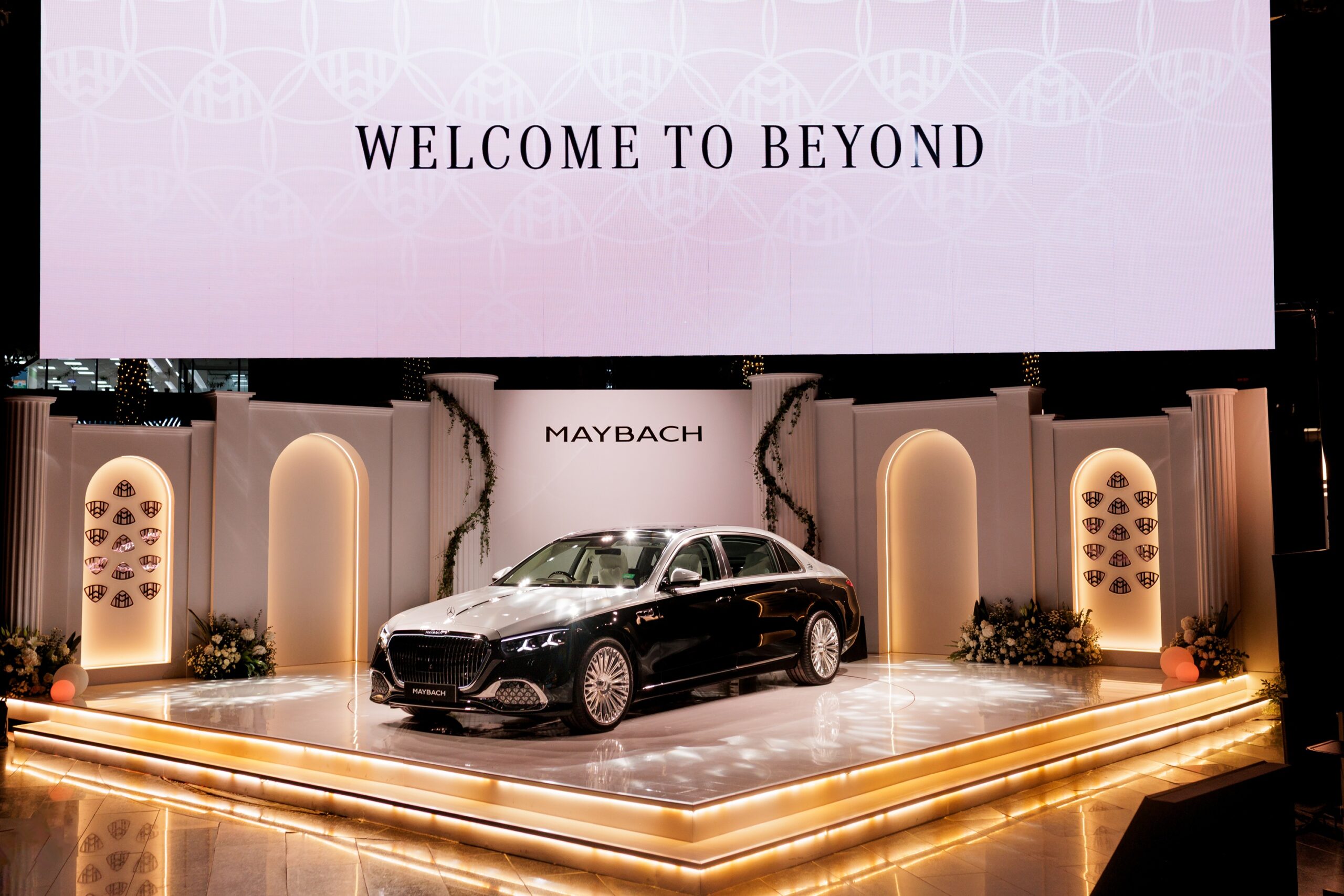
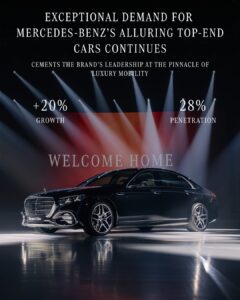
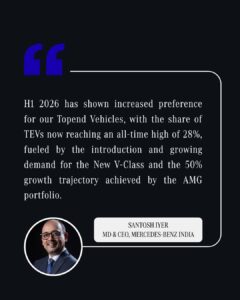
A key highlight of H1 2026 was the remarkable performance of the Top-End Luxury (TEV) portfolio. This segment includes flagship and halo models such as the S-Class, Mercedes-Maybach range, high-performance Mercedes-AMG cars and SUVs, the New V-Class luxury MPV, and top-end BEVs like the EQS SUV. Top-End Luxury sales grew by more than 20 percent during the first half of the year and now account for 28 percent of the company’s total sales in India, an all-time high share for this segment. This reflects both the growth of India’s ultra-high-net-worth population and a clear trend of younger luxury buyers choosing to enter the brand directly at the upper end of the portfolio, skipping traditional “entry” models.
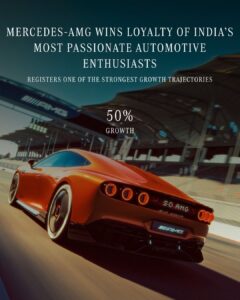
Within this high-end space, Mercedes-AMG models recorded especially strong traction, with sales rising by 50 percent in H1 2026. This surge underscores the growing appetite in India for high-performance luxury vehicles that combine everyday usability with track-inspired dynamics and distinctive styling. Waiting periods for some iconic models, including the AMG G 63, now range from four months up to a year, highlighting the depth of demand among performance enthusiasts. At the same time, the New V-Class has successfully carved out a niche for itself as a “private suite on wheels,” offering a blend of luxury, space and privacy for customers who need chauffeur-driven comfort for families, corporate use or special occasions.
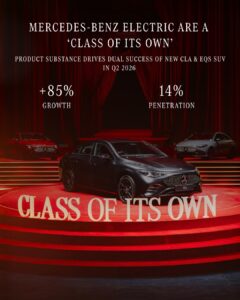
Electrification is an increasingly central part of Mercedes-Benz India’s growth story. Battery electric vehicles accounted for 14 percent of the brand’s total sales mix in Q2 2026, effectively doubling BEV penetration compared to earlier periods. In the Top-End Luxury segment, BEVs such as the EQS SUV have gained particularly strong traction, with electric models contributing 25 percent of Top-End sales in the first half of the year. Top-end BEVs priced above approximately INR 1.4 crore grew by 85 percent in Q2, underpinning Mercedes-Benz’s view that there is a growing base of affluent customers ready to adopt cutting-edge electric technology when it is packaged with luxury, performance and a strong brand.

The CLA BEV has been a critical catalyst for this electrification push in the Entry Luxury space. Marketed as a distinctive, technology-forward model, it has resonated strongly with buyers seeking a combination of advanced features, design and brand cachet. According to the company, the initial batch of CLA BEVs was sold out within days of launch, and customers are willing to wait five to six months for delivery, a sign of strong underlying demand. The model’s success helped push the Entry Luxury segment to a robust 30 percent growth in Q2 2026, alongside continued demand for the GLA SUV. This reinforces Mercedes-Benz’s strategy of focusing on value-rich, well-equipped vehicles rather than chasing the lowest entry price points.
The Core segment—comprising key models such as the C-Class, E-Class Long Wheelbase (LWB), GLC and GLE—remains the volume backbone for Mercedes-Benz in India. In H1 and Q2 2026, these models continued to enjoy steady demand, significantly contributing to overall sales. The LWB E-Class, in particular, retained its position as the highest-selling luxury car in the country, supported by strong interest in higher variants like the E 450. Customers in this segment are drawn by the combination of rear-seat comfort, technology and the brand’s long-standing reputation in the executive sedan space.

Beyond fully electric models, semi-electrified powertrains have also found favour with Indian customers. The new S-Class plug-in hybrid (PHEV) has received an excellent response, with the S-Class AMG Line already closed for bookings due to strong demand. Orders for the S-Class Exclusive Line are also filling up, with deliveries scheduled around the upcoming festive period. These PHEVs act as a bridge for customers who want to experience electric driving without fully committing to a purely battery-powered vehicle.
Supporting this product-led growth is an ambitious retail expansion strategy under Mercedes-Benz India’s “Go to Customer” approach. The company plans to open more than 20 new world-class luxury outlets across high-potential emerging markets and strengthen its footprint in major metros such as Bengaluru, Mumbai, Delhi NCR, Pune and Hyderabad. In the first half of 2026 alone, six new touchpoints were added in cities like Bengaluru, Bhopal, Raipur, Goa and Visakhapatnam. In Q3 2026, Mercedes-Benz will enter new markets like Varanasi, while rolling out additional luxury outlets in established markets during the second half of the year.

Customer experience remains at the centre of this network strategy. Existing facilities are being upgraded to global luxury standards, and the company is exploring new retail formats, along with advanced technologies such as AI- and automation-based solutions to enhance sales and after-sales interactions. Franchise partners are expected to invest over INR 450 crore in this expansion over the next two years, indicating strong confidence in the long-term prospects of the Indian luxury car market.

Summing up the performance, Mercedes-Benz India’s leadership has emphasised that the record H1 and Q2 results are the outcome of a clear strategy: offering desirable products across segments, elevating customer experience and transforming the retail network to be closer and more responsive to customers. With strong momentum in Top-End Luxury models, a rapidly growing BEV portfolio led by the CLA BEV and EQS SUV, and a solid Core segment anchored by the E-Class LWB, the company enters the second half of 2026 with a positive market outlook. As India’s economy continues to expand and the luxury customer base deepens, Mercedes-Benz is positioning itself to capture both the present demand and the next wave of aspirational buyers looking for technology-rich, sustainable and premium mobility solutions.