















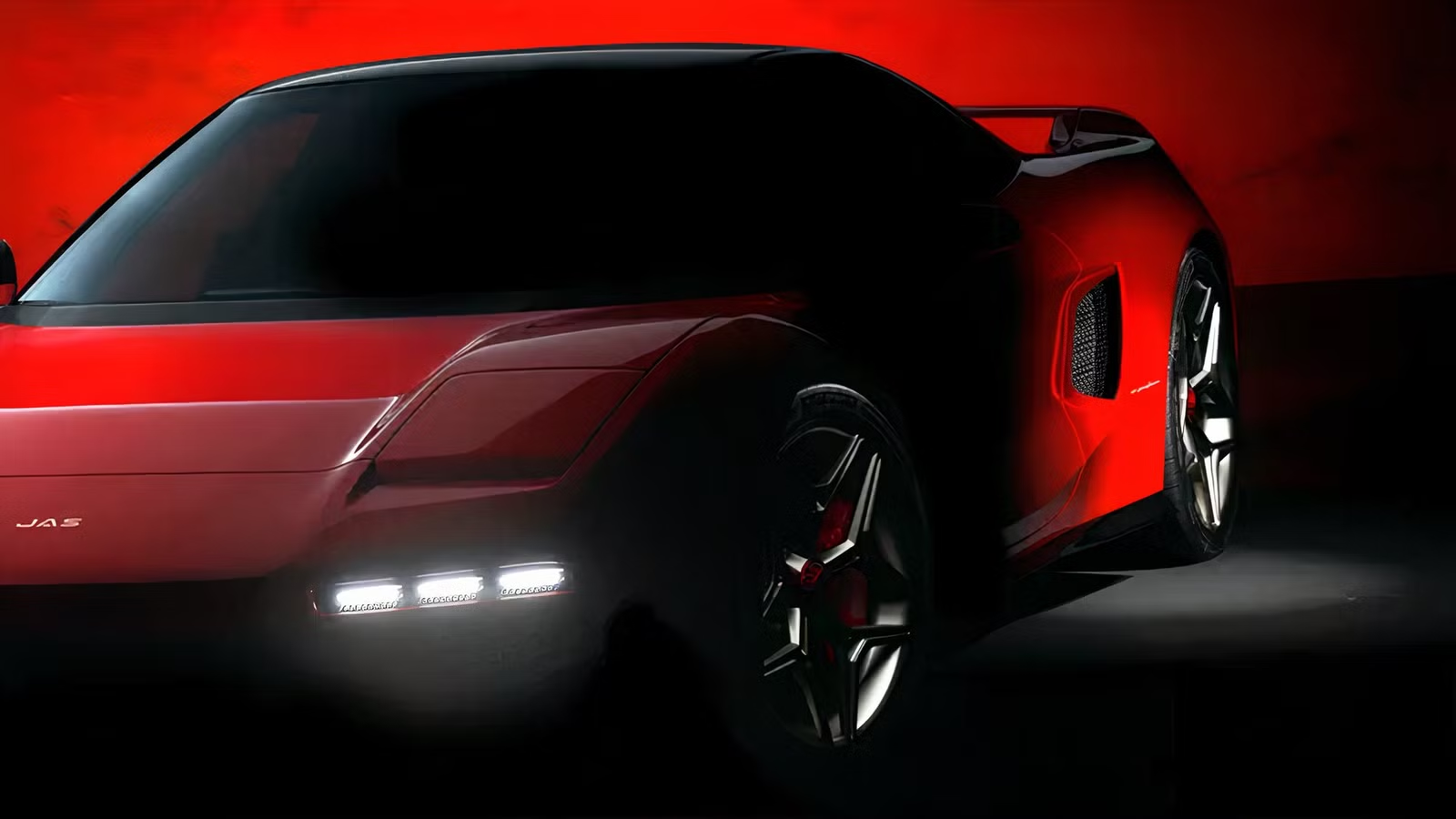




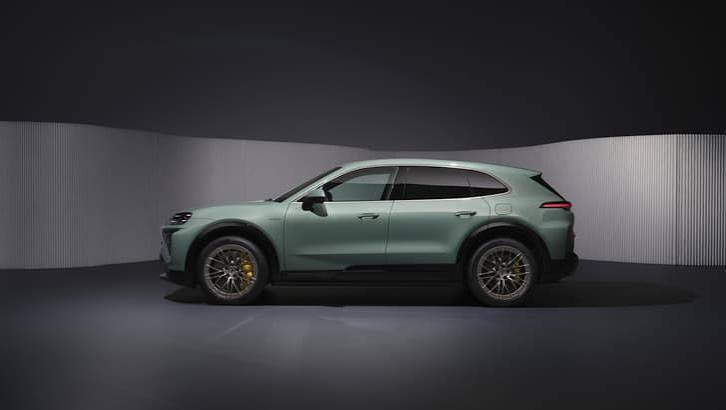
India’s ultra-premium electric vehicle (EV) segment is set to become reality. With JLR opening bookings for the Range Rover Electric (estimated to cost around ₹3.5 crore) and Porsche confirming the September 30 launch of the Cayenne Electric (₹1.77–2.28 crore), two of the world’s most iconic luxury SUVs are betting that India has enough wealthy, EV-ready buyers for cars in the ₹2–4 crore bracket.
The bigger question is whether the ecosystem – charging, service, resale and daily usability – is mature enough to make these cars practical, and not just aspirational.
Product strength: These are not “compliance EVs”
Both the Range Rover Electric and Cayenne Electric are serious engineering products, not just “token EVs” to meet emission norms.
Range Rover Electric
Battery: 118.5 kWh, 800V architecture
Range: Up to 600 km WLTP (JLR claims around 535 km in real-world conditions)
Performance: Dual-motor AWD, up to 850 Nm torque
Charging: 10–80% in about 22 minutes on a compatible 350 kW DC fast charger
Unique selling point: Retains Range Rover’s legendary off-road capability, including 900 mm wading depth, even as an EV
Porsche Cayenne Electric
Battery: 113 kWh, 800V architecture
Range: Up to 642 km WLTP (standard), around 623 km for Turbo Electric
Performance:
Standard: ~408 hp, 0–100 km/h in 4.8 seconds
Turbo Electric: up to 1,156 hp, 0–100 km/h in 2.5 seconds with Launch Control
Charging: Up to 390–400 kW DC fast charging
Positioning: Sits above the Taycan and Macan EVs in Porsche’s India portfolio as the brand’s flagship electric SUV
On paper, both SUVs offer range, performance and charging speeds that are comparable to, or better than, many EVs in Europe and the US. The hardware is clearly ready for long-distance, high-speed use – the real constraint is India’s charging and service environment.
Who is the target buyer?
At ₹1.77–2.28 crore for the Cayenne and an estimated ₹3.5 crore for the Range Rover Electric, these cars are aimed at a very narrow slice of Indian buyers.
Read this- Kia Sorento launch, Skoda–VW + JSW JV, Baleno facelift, Range Rover Electric bookings and more
Typical profiles include:
Ultra-high-net-worth individuals (UHNIs) with multiple cars, for whom a ₹3–4 crore EV is a small part of their overall garage
Early adopters who already own EVs (often imported) and want a high-profile electric SUV as a daily or weekend car
Corporate and celebrity buyers looking for brand image, exclusivity and cutting-edge tech
Second or third car households, where range anxiety is mitigated by having other ICE vehicles for long trips
For this segment, purchase price is not the primary barrier; convenience, privacy, chauffeur comfort and brand prestige matter more. If these SUVs can deliver a seamless ownership experience, they can find a stable, if small, customer base.
Charging infrastructure: Adequate for a niche, not for mass adoption
India’s public DC fast-charging network is still limited compared to Europe, China or the US, but for ultra-premium EVs, the usage pattern is different.
Most owners in this bracket are likely to:
Charge primarily at home or office, using dedicated wallboxes or private chargers installed in gated communities, bungalows or corporate parks
Use destination chargers at luxury hotels, clubs, golf courses and high-end malls
Rely on brand-led concierge charging services, where the OEM or dealer arranges charging for long trips
Both Porsche and JLR have been building high-power charging partnerships and offering white-glove charging support for their EV customers in India. For a limited fleet of a few hundred ultra-premium EVs, this model can work even if the broader public network is patchy.
However, if the ambition is to scale beyond a few hundred units a year, India will need:
More 150–350 kW DC fast chargers on key inter-city corridors (Delhi–Mumbai, Delhi–Jaipur, Mumbai–Pune, Bengaluru–Chennai, etc.)
Reliable uptime and payment systems, so that long-distance EV travel is predictable
Clear policies on charging in apartments and gated societies, where many UHNIs live
For now, the infrastructure is just enough for a niche, not for mass luxury EV adoption.
Service, resale and total cost of ownership
Ultra-premium buyers are sensitive not just to sticker price, but to hassle-free ownership and residual value.
Service and support
Porsche and JLR already operate exclusive showrooms and service centres in major metros, catering to high-end ICE models.
EV-specific training for technicians, availability of high-voltage safety equipment and access to genuine parts will be critical.
Both brands are likely to offer pick-up/drop service, loaner cars and dedicated relationship managers for EV owners.
Resale value
The EV resale market in India is still nascent, especially above ₹1 crore.
Strong brand equity (Porsche, Range Rover) and limited supply can help protect residuals, but battery health certification and transparent service history will be key.
Over time, certified pre-owned programmes from Porsche and JLR India could become the backbone of the ultra-premium EV resale market.
Total cost of ownership (TCO)
Running cost per km will be significantly lower than equivalent petrol V8/V6 SUVs, especially for owners who charge at home.
Maintenance costs should also be lower (fewer moving parts, no engine oil, less brake wear due to regen).
However, insurance premiums, battery replacement risk perception and depreciation uncertainty may offset some of these savings in the first few years.
For UHNIs, TCO is less about absolute rupees and more about predictability and convenience. If Porsche and JLR can deliver a smooth, high-touch ownership experience, the business case for these EVs improves significantly.
Are ultra-premium EVs viable in India today?
The answer is nuanced:
Technologically: Yes. The Range Rover Electric and Cayenne Electric are among the most advanced EVs globally, with range, performance and charging capabilities that match or exceed many rivals.
For a small, well-served niche: Yes. For a few hundred ultra-wealthy buyers in metros with home charging and access to premium services, these SUVs can be practical daily or weekend cars.
As a mass luxury segment (thousands of units a year): Not yet. India’s charging network, highway infrastructure and EV resale ecosystem are not yet ready to support large-scale adoption of ₹2–4 crore EVs.
In the short term, expect these models to be low-volume, high-margin halo products that strengthen brand image and showcase technology, rather than volume drivers. Over the next 3–5 years, as charging infrastructure improves and more ultra-premium EVs enter the market (from BMW, Mercedes, Audi, etc.), this niche can expand into a more stable segment.
For now, the arrival of the Range Rover Electric and Porsche Cayenne EV signals that India is finally on the radar of global luxury EV strategies – not as a future possibility, but as a present-day, albeit small, market
Watch this-