

























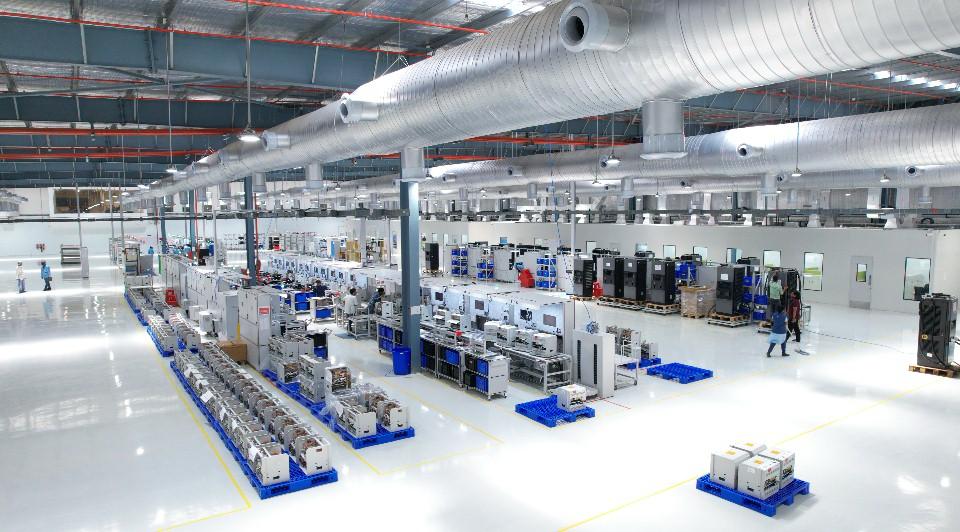
Exicom Tele-Systems has begun the production of liquid-cooled AC and DC power modules for electric vehicle chargers at its Hyderabad Smart Manufacturing Facility. According to the company, it is the first in India to manufacture the particular category of power electronics cooled by liquids for export markets, which represents an important breakthrough for the Indian ecosystem of EV charging and advanced manufacturing.
Initially, the new production programme will be intended for customers from North America and Europe. The modules will enable the use of the technology in Tritium’s portfolio of DC fast chargers including the TRI-FLEX ultra-fast DC chargers and DC-FLEX charging systems. In the long term, Exicom is going to offer the technology in India and implement liquid-cooled architecture in its Harmony DC chargers.
Managing Heat in High-Power EV Charging
As fast chargers for electric vehicles get increasingly powerful and operate longer, thermal management has become one of the most challenging engineering tasks. Electronic devices inside the chargers produce a lot of heat when operating under high load for long hours.
According to Exicom, about 60% of power electronics failure is caused by thermal issues. The company also points out that any increase in temperature by 10-15°C doubles the failure rate of electronic components.
The principle of liquid cooling implies the use of coolant to remove and transfer the heat much more effectively compared to conventional air-cooling systems. As Exicom explains, it makes it possible to keep internal temperatures approximately 10°C cooler than in air-cooled systems. Low operating temperatures may positively impact reliability and lifetime of electronic components.
It is especially important for high-power chargers installed along highways, in fleet depots, commercial hubs and other locations where the equipment will be actively used over time.
Benefits of Liquid-Cooled Power Modules
There are multiple advantages of liquid-cooled power modules for high-power EV charging. Thanks to more efficient cooling, the modules are able to include more energy in small volumes.
It may facilitate the efficient use of limited space in charging stations. Besides, the smaller and more efficient module can make it easier to develop the charging system to be used in urban locations, fleet facilities and highway corridors.
The sealed design of Exicom’s liquid-cooled modules presents another advantage of the technology. The design helps to protect internal components from dust, humidity and salt air which can reduce the lifetime of chargers, especially in outdoor sites, coastal regions and industrial zones.
Read this- Maruti Suzuki FRONX Becomes Fastest Indian SUV to Cross 2 Lakh Export Milestone
They are intended to be continuously operated at a high load and will presumably have lower lifetime cost than previous Exicom modules. This factor should be considered by the companies when determining the total cost of ownership of the charging network.
Hyderabad Facility to Drive Production
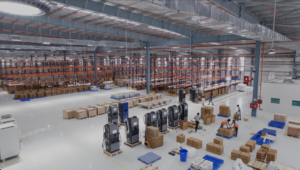
Exicom’s Hyderabad Smart Manufacturing Facility will produce the new modules. It has been created with automation, digital traceability and specialized testing.
Automation can help in maintaining consistent quality of production, whereas digital traceability will allow monitoring components and manufacturing stages throughout the entire process. In turn, specialized testing is required for power electronics because modules should be checked for performance, reliability, thermal management and safety before delivery to the customers.
The facility has been created to meet both domestic and international requirements. At the initial stage of production, the modules will be exported to North America and Europe, but in the following stages they will also be produced for the company’s Indian customers.
The launch reinforces the strategy of Exicom to use India as a base for technology-driven manufacturing. Moreover, the launch presents a new opportunity for India to get involved in the global supply chain for advanced EV charging components.
Tritium Technology Helps to Expand
The new liquid-cooled modules were developed based on the in-house liquid-cooling technology of Tritium. Exicom purchased Tritium, which is a global DC fast-charging company, in 2024. Thus, the merger allowed combining technological, product and manufacturing knowledge.
Thanks to Tritium’s extensive experience in high-power DC charging, Exicom managed to implement the proven globally architecture in Indian manufacturing. New production line shows how this integration is proceeding – the technology, which was initially developed by Tritium, is now produced in Hyderabad manufacturing facility of Exicom.
“Fast chargers are becoming increasingly powerful and operating for extended durations. Customers expect charging equipment to work reliably across seasons and locations,” says Anant Nahata, Exicom’s CEO and Managing Director.
Liquid cooling has become the preferred architecture for high-power charging globally. In order to increase the control over engineering, Exicom wants to manufacture this technology in India and adapt products for Indian customers and international markets.
Future Use in Indian Chargers
During the first stage of production, the modules will support the charging portfolio of Tritium in international markets. They will be used in TRI-FLEX ultra-fast DC chargers and DC-FLEX charging system providing North America and Europe with fast charging.
Exicom will be using the technology in other phases by providing it to charge point providers, fleet operators and auto makers at home. The company Tritium is using the DC fast chargers in India, providing an opportunity to introduce the liquid cooled charging technology in India.
Exicom will also be incorporating this architecture in its Harmony DC chargers. This might mean that there will be a development of a new class of high powered chargers for Indian highways, commercial fleets and public charging networks.
Boost to India’s Electric Vehicle Manufacturing Dreams
With the announcement made by Exicom, India’s efforts to build up its electric vehicles eco-system continue. Although vehicle manufacture is an important aspect of developing electric vehicles, the charging infrastructures and power electronics are just as critical.
Locally produced liquid cooled modules could help reduce dependency on the importation of these parts and facilitate rapid product development. The Indian companies could also have a chance of competing in the international market for power modules for advanced electric vehicle charging stations.
As the trend of the shift in power levels of chargers increases, so will be the importance of reliable thermal management. Starting production of the technology in Hyderabad is a way of combining local production and technology from the global operations of the company.
Exicom’s long term plans for using the technology in its Harmony DC chargers is likely to increase the company’s influence in India’s EV charging market.
The launch of the AC and DC power modules is a significant step on Exicom’s product roadmap. With plans for exports of these products to North America and Europe, future local applications and advanced manufacturing in Hyderabad, Exicom is setting the stage for India to become a global center for next generation EV charging technology.
Watch this-












[…] Exicom Begins Manufacturing Liquid-Cooled EV Charger Modules in India […]
[…] Exicom Begins Manufacturing Liquid-Cooled EV Charger Modules in India […]
[…] Exicom Begins Manufacturing Liquid-Cooled EV Charger Modules in India […]
[…] Exicom Begins Manufacturing Liquid-Cooled EV Charger Modules in India […]