






























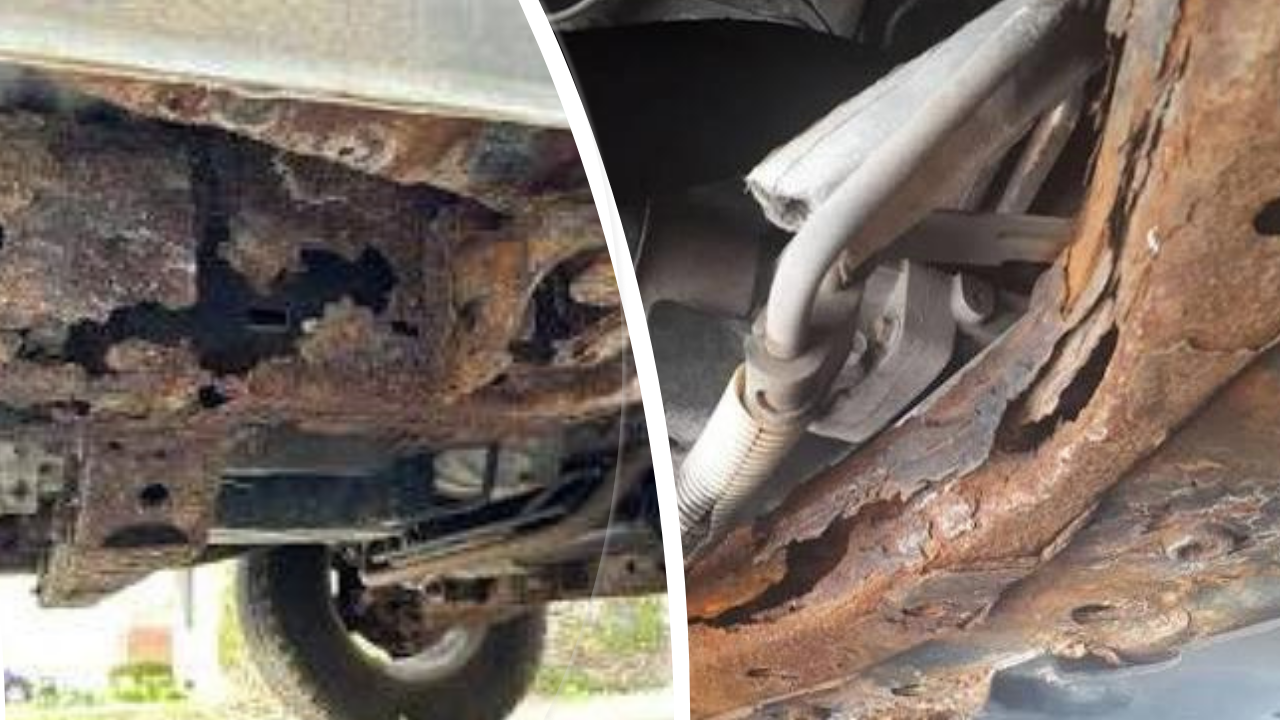
When people buy a car, they usually look at mileage, comfort, design, features, and crash-test ratings. But there is another issue that often goes unnoticed until it becomes serious: rusting. Corrosion in cars is not just a cosmetic problem. It can slowly weaken important body parts, reduce the life of the vehicle, and in some cases affect safety. The attached material argues that Indian consumers deserve the same corrosion protection standards that are more common in export models and global markets.
Rust develops when metal is exposed to moisture, air, salt, and other environmental conditions over time. In India, this risk can be especially high because of coastal humidity, heavy rainfall in many regions, and changing weather conditions. The document notes that Indian driving conditions can be among the most challenging for vehicle corrosion, especially in places like Mumbai and Chennai where salt-laden air speeds up damage. This means rust protection should not be treated as a luxury feature. It should be part of basic vehicle engineering.
The contrast between export and domestic models is striking. The file highlights that carmakers often provide stronger corrosion warranties in international markets than in India. For example, some Suzuki models sold in Botswana reportedly include a six-year body corrosion warranty, while Hyundai provides a 12-year anti-perforation warranty in the UK. These examples suggest that manufacturers already know how to build cars for tougher corrosion protection. The real question is why similar protection is not consistently offered to Indian buyers.
The issue is also linked to materials and manufacturing choices. The file points out that galvanized steel plays a major role in helping vehicles resist rust, and that this technology is widely used in India, China, and developed countries. Yet many Indian cars still come with limited protection and mostly short paint warranties. The document claims that only a small number of manufacturers in India offer explicit anti-corrosion or anti-perforation warranties, while most provide only standard paint coverage. That creates a gap between what global consumers receive and what many Indian consumers are given.
Rusting is not only about appearance. It can become a structural and safety concern. According to the material, corrosion can affect important parts such as rocker panels and seat structures, which are tied to how a car absorbs crash energy. If these parts weaken over time, the vehicle may not perform as intended in a collision. A car that looks fine from the outside may have hidden corrosion underneath. That makes rust harder for ordinary buyers to detect and more dangerous to ignore.
The document also connects corrosion to consumer rights. It mentions complaints, legal cases, and expert views showing that rusting can lead to warranty disputes and frustration for owners. One expert quoted in the file says corrosion protection should be seen as a commitment to durability and long-term safety, not just an optional feature. Another expert explains that safety regulations usually focus on crashworthiness at the time of sale, while corrosion is a lifecycle issue that develops over years and deserves separate attention.
There is also a cost argument. The file cites the International Zinc Association, stating that full-body galvanisation adds only a very small amount to manufacturing cost. If the added expense is so low, then stronger corrosion protection becomes less of a pricing issue and more of a policy and responsibility issue. Consumers should not have to pay the price later through repairs, lowered resale value, or compromised safety.
Indian car buyers need greater awareness of this issue. Rust is often invisible until damage has advanced. By then, repair may be expensive and the original protection may already be lost. Buyers should ask about corrosion warranties, galvanised body panels, and long-term anti-rust coverage before making a purchase. Manufacturers, meanwhile, should treat rust resistance as a standard safety expectation rather than an optional extra.
In the end, corrosion protection is about more than keeping a car looking new. It is about durability, value, and occupant safety. If Indian consumers are to receive the same level of protection that global buyers already expect, rusting must be recognized as a serious issue, not an afterthought.