








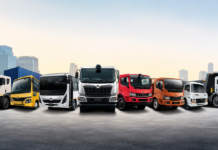
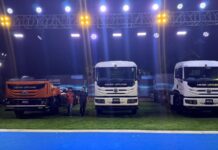
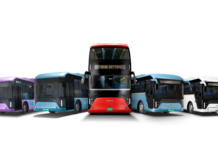
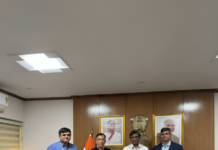









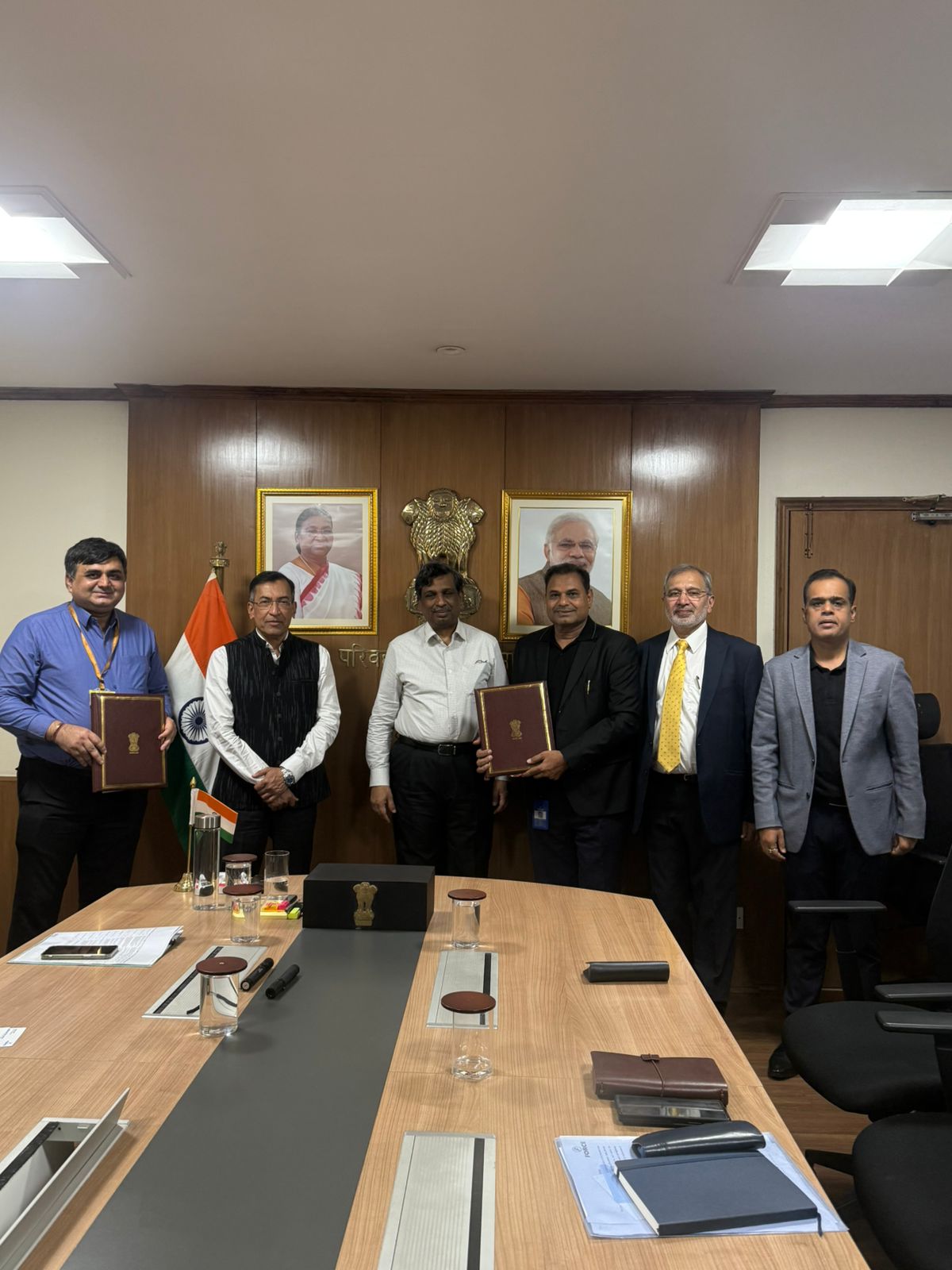
Force Motors Limited has signed a Memorandum of Understanding with the Ministry of Road Transport and Highways to participate in the Commercial Vehicle Replacement Scheme for the Delhi NCR region. The initiative is aimed at accelerating the replacement of older BS IV and earlier generation trucks and buses with cleaner BS VI compliant or electric vehicles, supporting the Government of India’s efforts to reduce vehicular emissions across the National Capital Region.
As part of the scheme, Force Motors will work through its authorised dealership network in Delhi NCR and extend the prescribed OEM benefits to eligible customers in line with the scheme guidelines. The company’s participation is intended to make the transition easier for fleet operators and commercial vehicle owners who are looking to upgrade to newer, cleaner mobility solutions. By linking manufacturer support with a government-backed replacement programme, the initiative creates a practical pathway for faster fleet modernization.
Prasan Firodia, Managing Director of Force Motors Limited, said the company is pleased to partner with the Government of India in what he described as an important initiative to modernize the commercial vehicle fleet in Delhi NCR. He noted that the scheme aligns with Force Motors’ commitment to cleaner and more efficient mobility solutions and that the company looks forward to helping customers transition to the latest generation of commercial vehicles through this collaborative effort.
The agreement also reflects Force Motors’ larger position in India’s automotive ecosystem. Founded in 1958 by Shri N. K. Firodia, the company has grown into a fully integrated automobile manufacturer focused on the engineering, development and production of vehicles, aggregates and components. Today, it operates five manufacturing units across India, employs more than 10,000 people and is led by Chairman Dr. Abhay Firodia. Its R and D center in Pune, supported by a design team of over 1,000 experts, is regarded as one of the strongest in the country.
Force Motors has built a diverse presence across passenger and commercial mobility, with products ranging from light commercial vehicles and multi utility vehicles to specialized transport solutions. Its Traveller N and Trax ranges remain central to its portfolio, with the Traveller N positioned around efficiency, reliability, comfort and safety, while Trax continues to serve demanding operating environments and rough terrain. The company has also introduced Urbania, a modular monocoque passenger van platform that marks its entry into the premium shared mobility segment for domestic and export markets.
In addition, Force Motors produces the Force Traveller Monobus, designed for safe and efficient mid size passenger transport, and the Force Gurkha in both 3 door and 5 door variants, which is known for its off road strength and durability. These products underline the company’s ability to serve different mobility needs, from urban passenger movement to rugged all terrain use.
Force Motors also has a strong global and industrial footprint. Its export presence extends to more than 25 countries across the Middle East and Gulf region, Asia, Latin America and Africa. The company has also developed long standing relationships with global automotive leaders by manufacturing engines and components to exacting standards. In India, every Mercedes Benz car and SUV is powered by an engine produced at Force Motors’ facility in Chakan, Pune, while its Chennai plant supplies engines for BMW cars and SUVs made in the country. The company’s joint venture with Rolls Royce Power Systems, Force MTU Power Systems Pvt. Ltd., manufactures high output Series 1600 engines for global power generation and rail applications.
The MoU with MoRTH adds another important chapter to Force Motors’ role in India’s mobility transition. The scheme is not only about replacing older vehicles, but also about improving air quality, lowering emissions and encouraging adoption of modern commercial fleets. For a region like Delhi NCR, where vehicular pollution remains a persistent policy challenge, such programmes are especially significant.
By aligning itself with this replacement initiative, Force Motors is positioning its commercial vehicle portfolio within a wider national push for cleaner transport. The partnership shows how manufacturers can play a direct role in enabling policy goals, not just through technology but also through dealership support, customer incentives and fleet transition assistance.