



























Mahindra Last Mile Mobility Limited has reaffirmed its leadership in India’s electric commercial vehicle market, topping sales charts for June 2026 and the first quarter of fiscal 2027. The company’s sustained focus on electrification, especially in the L5 three‑wheeler category, has paid off with strong volumes and widening market share that underline its role as a pioneer in last mile e mobility.
June was a landmark month for Mahindra Last Mile Mobility, with 13,134 electric vehicles registered. That contribution was a key part of the company’s Q1 performance, during which it registered 35,133 commercial electric vehicles. These volumes are notable not just for scale but also for their impact on electric vehicle penetration in India’s critical urban and peri urban transport segments.
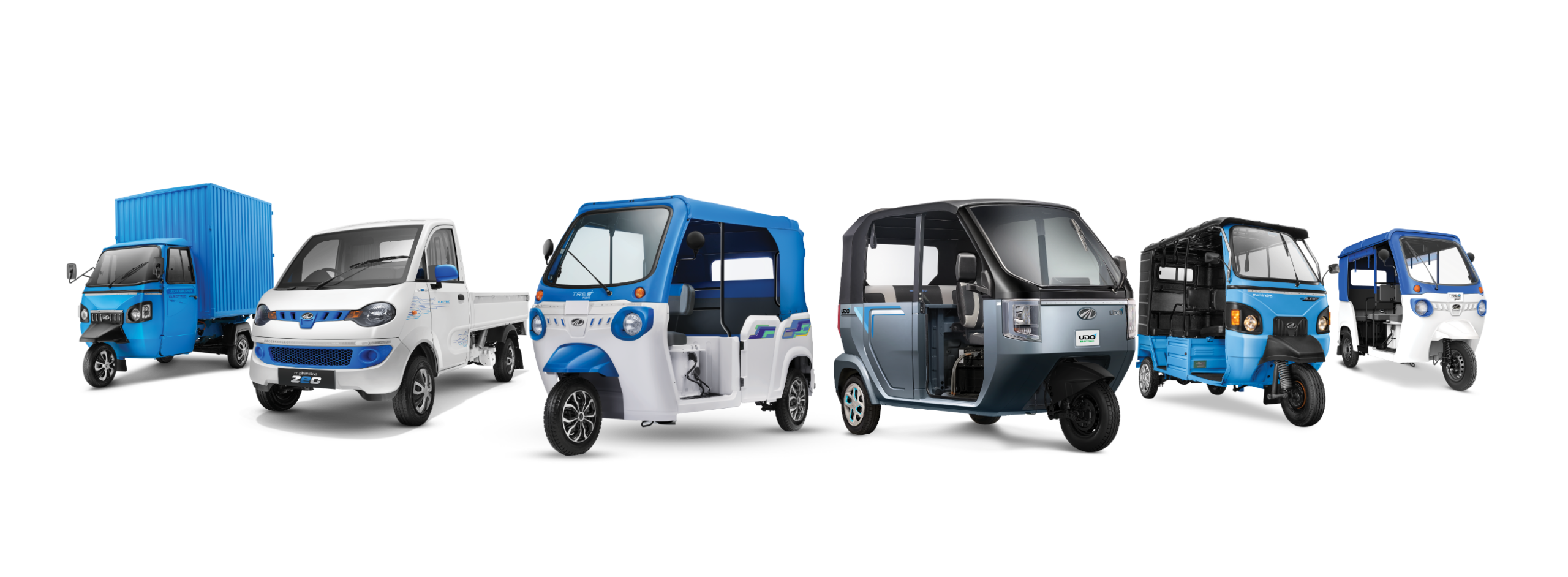
Mahindra’s leadership is built on an early and sustained bet on L5 electric three wheelers. The company started investing in L5 electrification as early as 2018 and has since developed one of the broadest lineups in the segment. Its portfolio includes models such as the UDO, Treo, Zor Grand, e Alfa, Treo Yaari and Treo Zor, as well as the Mahindra ZEO four wheeler. This range lets Mahindra address a wide set of customer needs from passenger rickshaws and last mile goods carriers to goods movement for small businesses, making the brand relevant across many use cases.
Market numbers point to tangible gains. For Q1 FY27, electrification in the L5 category reached 44.8 percent, showing that nearly half of the market in that class is now electric. Mahindra’s market share in L5 EVs for the quarter stood at 32.4 percent, while in the L5M EV subcategory it was even stronger at 34.5 percent. Year on year the company reported an 83.5 percent growth in L5 EV volumes in Q1, highlighting both rising customer acceptance and Mahindra’s capacity to scale production and distribution in a rapidly evolving market.
Company executives point to multiple factors behind the performance. Product depth and technological maturity come first. Mahindra’s L5 machines are designed with practical priorities in mind: reliable range and battery performance, robustness for daily commercial cycles, comfortable driver ergonomics and low operating costs. That combination matters for fleet operators and owner drivers who depend on predictable uptime and fast returns on investment.
Dealer and service networks are another strength. Mahindra has invested in making sales and aftersales widely accessible so that buyers can get timely support and parts. In markets where daily earnings depend on vehicle availability, quick service and an established spares ecosystem often make the difference between a good experience and prolonged downtime. Mahindra’s established footprint has reportedly helped many customers transition to electric with confidence.
Affordability and total cost of ownership have also made electric three wheelers more compelling. Lower energy and maintenance costs, combined with higher uptime and supportive financing options in some regions, are changing the commercial equation for last mile operators. Mahindra’s focus on delivering models that balance purchase price with lifecycle economics has resonated with buyers looking to protect margins while meeting cleaner mobility goals.
Competition in the electric three wheeler space has intensified with new entrants and legacy manufacturers ramping up offerings. Despite this, Mahindra’s sustained market share gains suggest its early mover advantage and continuous product improvements have created durable differentiation. The company’s performance shows how continuous iteration on product, distribution and support can keep a brand ahead even as the field becomes more crowded.
Policy and market forces are also aligning to accelerate adoption. Municipal sustainability goals, local incentives and growing urban demand for cleaner transport are expanding the addressable market for electric three wheelers. As charging infrastructure and battery solutions mature further, the operational case for electric vehicles in dense urban corridors is expected to strengthen.
Looking forward, Mahindra Last Mile Mobility will likely focus on consolidating production scale, further improving battery and vehicle economics and expanding service reach to sustain momentum. Continued investments in product upgrades and data driven fleet management tools could bolster uptime and reduce total cost of ownership for operators, reinforcing Mahindra’s value proposition.
Mahindra’s June and Q1 results offer a clear message: last mile electrification is moving from demonstration to large scale adoption. By combining a broad product range with dealer support and an early commitment to the segment, Mahindra Last Mile Mobility is helping shape how cities and small businesses move people and goods more cleanly and efficiently. The company’s performance so far in fiscal 2027 suggests it will remain a central player as India’s electric commercial vehicle market expands.