





























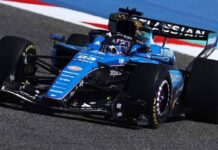


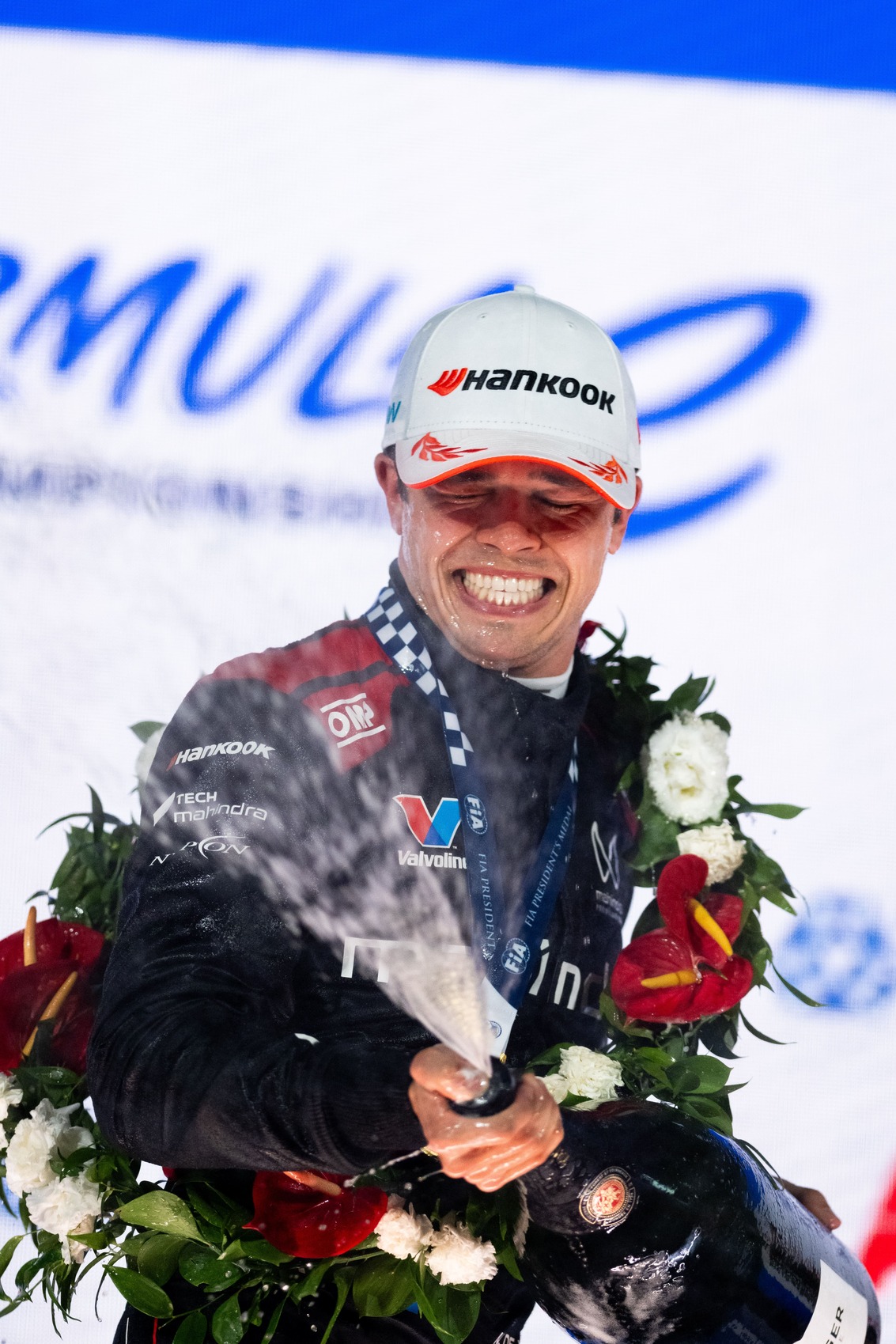
Tokyo delivered exactly the kind of wild, wet-weather chaos Formula E is known for, and Nyck de Vries emerged from the storm with a stunning victory in the second race of the weekend. The Mahindra Racing driver mastered the changing conditions, a late red flag, and relentless pressure from the pack to claim his second win of the season and sixth Formula E triumph overall.
The result capped a highly productive Tokyo E-Prix weekend for Mahindra Racing, which collected 38 points across Rounds 14 and 15 of the 2025/26 FIA Formula E World Championship. While de Vries celebrated a race win, Edoardo Mortara also delivered headline pace by taking pole position on Sunday and adding another strong qualifying result to his season tally.
A weekend of extremes
Rain hovered over Tokyo for the whole weekend, and that uncertainty shaped every strategic call. The opening race on Saturday was already difficult, but Sunday turned into a true wet-dry gamble where tyre choice, energy management and timing of Attack Mode became decisive.
Mortara had shown strong pace from the very beginning, topping both practice sessions and lining up second for Race 1 on Saturday. He stayed in podium contention for much of that race before finishing fifth, while de Vries suffered a first-lap puncture and could only recover to 17th. That made the turnaround on Sunday even more impressive for the team.
Mortara sets the pace
Sunday’s qualifying confirmed Mahindra Racing’s one-lap strength. Mortara stormed through the Duels and beat António Félix da Costa by six tenths in the Final to take his fourth pole of the season, equalling the single-season Formula E pole record. It was a major milestone for both driver and team, and it underlined how competitive Mahindra had become in qualifying trim.
De Vries also made it into the Duels and qualified fifth, putting both Mahindra cars in strong positions for the race. At that stage, it looked like the team had a genuine shot at a double score, and perhaps even a double podium, if the race unfolded in their favour.
Race starts in the wet
The race began behind the Safety Car, with the field completing a reconnaissance lap in wet conditions before the green flag. Mortara launched cleanly and held the lead early on, while de Vries slipped backward and found himself outside the leading group in the tricky opening phase.
Da Costa, running second, used Attack Mode early on Lap 3 and quickly pushed Mortara back to second. At the same time, de Vries was struggling with tyre pressures chosen for a drying track, which made grip management especially difficult as the conditions began to evolve.
Strategy splits the field
Mahindra’s race split came into focus as the laps unfolded. Mortara deployed his first Attack Mode on Lap 14 and closed to within a second of da Costa, but before he could make a move, a Full Course Yellow neutralised the race and interrupted momentum.
After the restart, Mortara remained in the fight but gradually slipped back as tyre pressures became a major factor. His race began to unravel, not because of a lack of speed, but because the changing circuit conditions made his set-up less effective as the surface dried.
De Vries, meanwhile, kept his head down. Using his first two minutes of Attack Mode, he worked his way up to sixth and remained patient, saving the stronger part of his energy and deployment for later in the race. That patience became the foundation for his win.
De Vries pounces late
The decisive moment arrived on Lap 26, when de Vries activated his remaining six minutes of Attack Mode. That was the turning point. He attacked the frontrunners aggressively, surged through the order and moved into the lead just as the race entered its most critical phase.
Then came the chaos. Mortara, who had slipped back to 10th and was still trying to recover, became caught in a multi-car incident that ended his race and brought out the red flag. For one driver it was heartbreak; for the other it was a chance to hold onto a big win in a high-pressure sprint to the finish.
That set up a one-lap dash to the chequered flag, with de Vries needing to defend against the charging pair of Nick Cassidy and Jake Dennis. He did exactly that, keeping calm under enormous pressure and bringing the car home for a famous win in Tokyo.
What the win means
The victory carried major significance for Mahindra Racing. It was de Vries’ second win of the season, and it marked the first time Mahindra had secured multiple victories in a single Formula E season since 2017/18. That alone makes the Tokyo result one of the team’s standout achievements in recent years.
It also mattered for the championship tables. De Vries moved up to ninth in the Drivers’ Standings with 25 points for the win, while Mortara remains fifth. In the Teams’ Standings, Mahindra now sits on 210 points, just one behind Andretti in third place with two races left.
Looking ahead to London
With the season heading to London for Rounds 16 and 17 on 15 and 16 August, Mahindra Racing suddenly has real momentum. The team has shown that it can fight at the front in qualifying, adapt strategically in mixed conditions and convert opportunities into wins.
Tokyo proved that Formula E can still turn into pure theatre when rain, strategy and timing collide. For Mahindra, it was a weekend that mixed frustration and brilliance, but ended with de Vries standing on the top step and the team leaving Japan with genuine title-race relevance still intact.