






























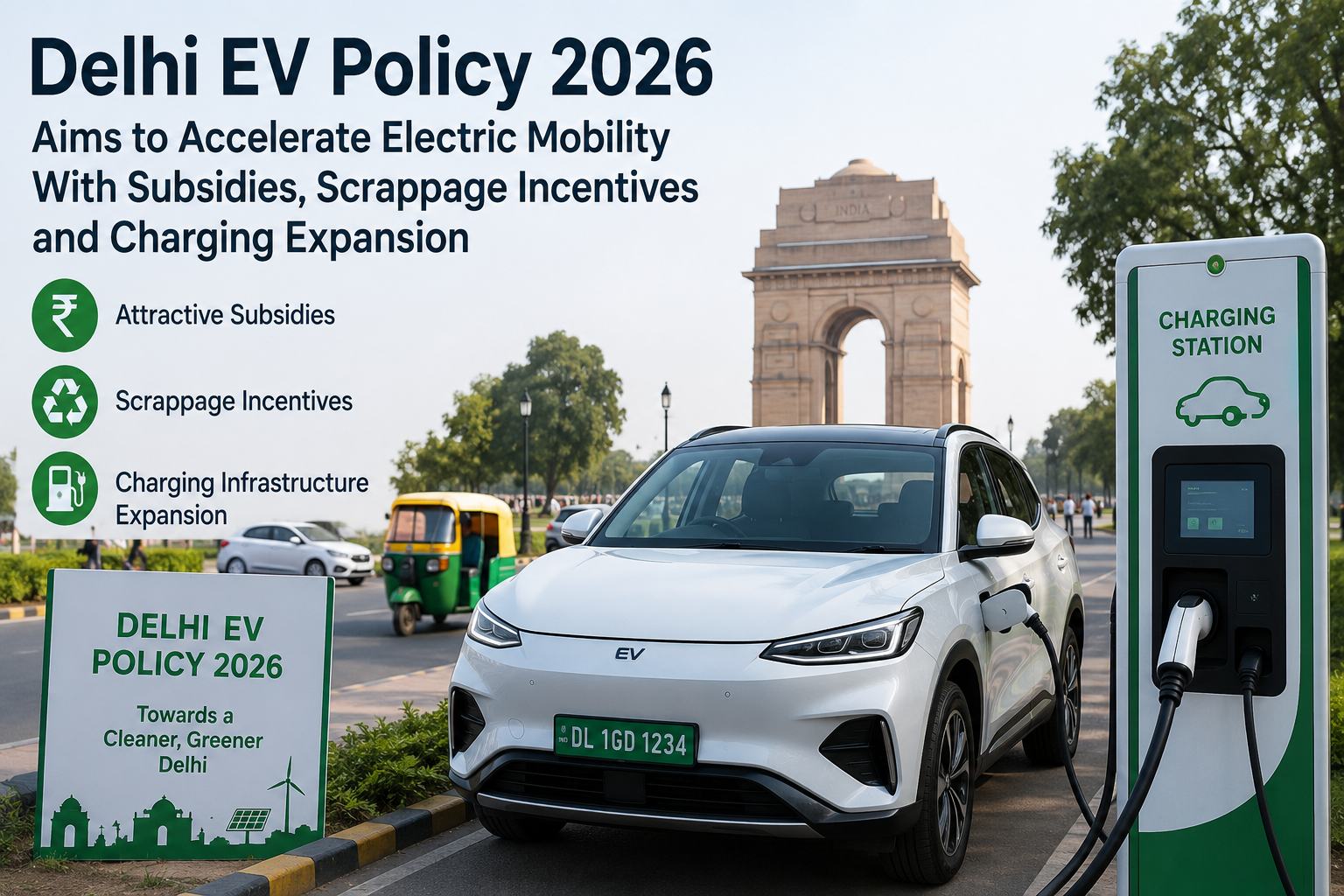
Delhi’s new EV policy is designed to push the capital toward faster electric vehicle adoption by combining purchase incentives, scrappage-linked benefits, tax exemptions and a major charging network expansion. The policy is being positioned as a more ambitious and more targeted framework than earlier versions, with a clear focus on replacing polluting internal combustion vehicles and building a cleaner transport ecosystem for the city.
At the center of the policy is a “scrappage first” approach. Buyers seeking the highest incentives are required to present a Certificate of Deposit showing that they have scrapped an older Delhi-registered BS-IV or earlier petrol or diesel vehicle, making the transition to electric mobility directly tied to fleet renewal.
The policy proposes purchase incentives for a range of vehicle categories, including electric two-wheelers, electric three-wheelers and electric goods vehicles. Reported benefits include up to ₹30,000 for electric two-wheelers in the first year, up to ₹50,000 for L5M category electric three-wheelers and up to ₹1 lakh for N1 category electric goods vehicles.
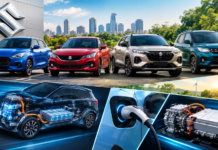
For private electric cars, the policy reportedly offers up to ₹1 lakh for vehicles priced below ₹15 lakh, with benefits limited to the first 100,000 applicants. It also allows a grant of ₹50,000 for owners who retrofit existing petrol or diesel cars with certified electric conversion kits, giving consumers an additional path to participate in the transition.
The fiscal structure is paired with a wider set of non-fiscal incentives. Electric vehicles continue to receive 100% exemption from road tax and registration fees until 31 March 2030, though the policy places a cap on luxury benefits by excluding electric cars priced above ₹30 lakh from those exemptions.
The policy also includes strong registration mandates that gradually phase out new internal combustion vehicle registrations. From 1 January 2027, only electric three-wheelers and electric N1 goods vehicles would be eligible for new registrations in Delhi, while from 1 April 2028 only electric two-wheelers would be allowed for new registration. This gives manufacturers, fleet operators and consumers a fixed timeline to prepare for the shift.
Delhi’s budget documents and draft policy also point to a big push for public charging infrastructure. One report notes a target of 18,000 charging points by the end of 2026, while another says the policy envisions 32,000 EV charging points across the capital. The broader aim is to remove range anxiety and support everyday EV usage across private, commercial and public transport segments.
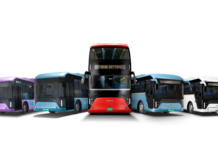
The city is also targeting public transport electrification. Reports say the Delhi Budget 2026 proposes thousands of new electric buses, with a long-term goal of building a fleet of 12,000 electric buses by 2029. The policy also seeks to ensure that at least 30% of school buses are electric by 2030, which would make school transport a visible part of the transition.
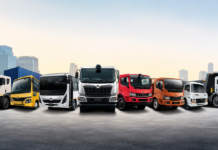
Another important part of the policy is its focus on cleaner commercial mobility. By setting future registration deadlines for electric three-wheelers and goods vehicles, the government is signaling that delivery fleets, last-mile logistics and shared mobility operators will be central to the city’s EV ecosystem. This matters because these segments typically run high daily distances and have a major impact on urban air quality.
The policy is also notable for what it excludes. According to the reported framework, the focus is on pure battery electric vehicles rather than hybrids, indicating that Delhi wants to accelerate zero-tailpipe-emission mobility rather than support transitional technologies. That makes the policy one of the more aggressive urban EV plans in India.
For the market, the policy creates both opportunity and pressure. Automakers, battery suppliers, charging companies and fleet operators will need to scale quickly, while consumers may see stronger financial reasons to switch earlier than they otherwise would. If implemented effectively, Delhi’s EV policy could become a model for other Indian states seeking to cut emissions, improve air quality and modernize transport systems.