

























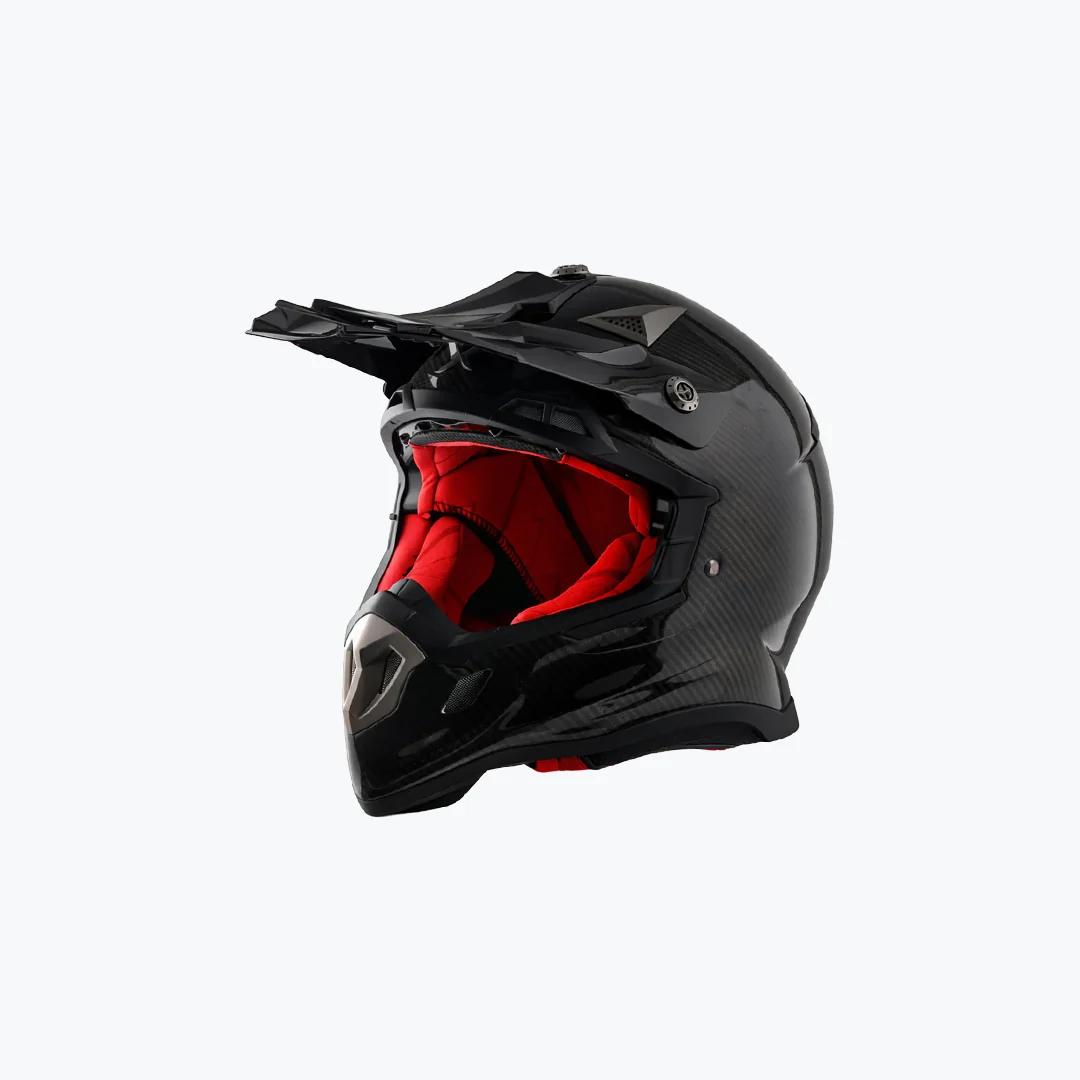
AXOR, premium helmet line by Vega Auto, has unveiled its latest model – the MX Carbon, the lightest helmet in the world, according to the company, that comes with ECE 22.06, DOT and ISI certification. The new MX Carbon is designed and manufactured in Belagavi, Karnataka, and it is made out of predominantly carbon-fibre shell with advanced composite manufacturing and off-road engineering. The helmet weighs approximately 1,050 grams in the large shell size and is supposed to come in lighter variations depending on shell size. The difference in the shell size will amount to approximately 50 grams.
Lightweight Design for Off-Road Riding
When riding off-road in long distances through difficult terrains such as tracks, rocky ground, climbing and technical sections, the weight of a helmet affects the comfort of the rider. A heavy helmet may add extra load on shoulders and the neck of a rider. AXOR says the MX Carbon has been designed in such a way to alleviate this extra burden due to the wide usage of carbon fibre in the shell of the helmet and optimised manufacturing.
The large-shell version of the MX Carbon weighs approximately 1,050 grams and the lighter shell versions should weigh approximately 50 grams less. The company also gives reference to the engineering weight of the helmet as approximately 1,040 grams and mentions that the actual product weight will vary approximately 50 grams. The aim of low weight design is to provide additional comfort for long off-road rides and enable the rider to move easily in difficult terrain. For adventure and motocross riders, it might be useful in traversing difficult trails and staying on footpegs for a long period of time.
Triple Certification Focused Helmet
The AXOR MX Carbon meets the requirements of the latest ECE 22.06 helmet safety standard and also meets the DOT and ISI certification requirements. All these three certifications enable the helmet to comply with safety requirements in different markets and to be suitable for customers who look for multi-certified products.
The ECE 22.06 is the latest European helmet standard and includes revised requirements for testing. DOT certification is related to the United States, while the ISI certification is needed for the helmets used on road in India.
Achieving multi-certification and a lightweight design is no mean feat from the engineering perspective. Manufacturers must find the right balance between shell design, impact absorption, structure and weight. According to AXOR, it succeeded in this feat through optimal application of carbon fibre, internal structure and manufacturing process.
In any case, the MX Carbon represents the brand’s attempt to provide a performance-oriented helmet for riders valuing both safety and lightweight engineering.
Read this- Maruti Suzuki FRONX Becomes Fastest Indian SUV to Cross 2 Lakh Export Milestone
Close to Thirty Years of Carbon-Fibre Development Experience
The MX Carbon is the result of Vega Auto’s years of efforts in the field of carbon-fibre and composite engineering. The company began experimenting with carbon fibre back in 1998 and progressively grew its competencies in material engineering, composite manufacturing and helmet engineering.
The manufacturer claims that the new helmet is the result of this experience, rather than a separate project. Over the years, Vega Auto strived to accumulate the knowledge and develop the processes that would enable the company to apply advanced materials in helmet applications.
Recently, Vega Auto invested close to ₹2 crore into the expansion of its composite manufacturing capability. Also, the company has increased its composite division by threefold compared to its 2020 capacity.
As a result, the company now has strong in-house expertise and manufacturing infrastructure in the field. These developments will serve as the foundation for the creation of the next lightweight helmet platform.
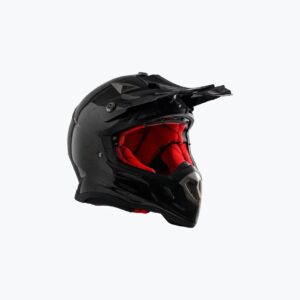
Belagavi Made
AXOR MX Carbon has been engineered and manufactured at the company’s facilities located in Belagavi, Karnataka. This helmet has combined the best of India’s composite manufacturing in one product, with carbon-fibre development, composite manufacturing and helmet engineering all carried out within India.
Therefore, this helmet can be regarded not only as an innovative new product but also as an example of the country’s growing advanced manufacturing capabilities. The manufacturer states that the helmet has been created to international standards while using domestic manufacturing processes.
Commenting on the release of the new helmet, Dilip Chandak, Chairman, Vega Auto, said that his company has started its journey with carbon fibre in 1998 with the belief in the material’s ability to change the game in the field of helmet engineering. Mr. Chandak adds that the new helmet shows what can be done when you combine the material expertise, manufacturing capability and helmet engineering.
Also, Chandak stressed that the helmet has been designed and manufactured in India for riders who demand top-end performance from their riding gear.
Engineering Challenges Other Than Weight Reduction
According to Girdhari Chandak, MD of Vega Auto, the engineering challenge here was not simply to design a lightweight helmet. It was necessary to optimise the material used, manufacturing method and process to reduce weight but still meet the certification criteria.
The weight of the helmet comes to approximately 1,040 grams according to the engineering reference of the company, and it ranks among the lightest off-road helmets of the same class. The company believes that the technology involved in the MX Carbon will soon be applicable in other types of helmet too.
Production Capability and Engineering Challenge
Also, the project has shown the significance of production capability in engineering weight reduction projects. Utilisation of carbon fibre requires knowledge of material placement, moulding, curing and quality control. The company’s expanded composite manufacturing operations will help meet these requirements.
The Beginning of a Light Engineering Programme
The MX Carbon is expected to become the starting point of a more extensive lightweight engineering programme of the company. The company intends to utilise its knowledge in carbon-fibre and composites to come up with future platforms for the helmets.
Vega Auto also plans to incorporate learning experiences from the MX Carbon project into its other products in the coming year. It might result in the manufacture of lighter helmets in different categories like road helmets, touring helmets and adventure performance helmets.
With the new helmet, AXOR has been able to combine carbon-fibre construction, triple certification, low weight and Indian manufacturing in one off-road helmet. The MX Carbon is the continuation of the company’s nearly three-decade experience in composite engineering and shows the ambitions of the company in the premium performance helmet segment.
Watch this-