






























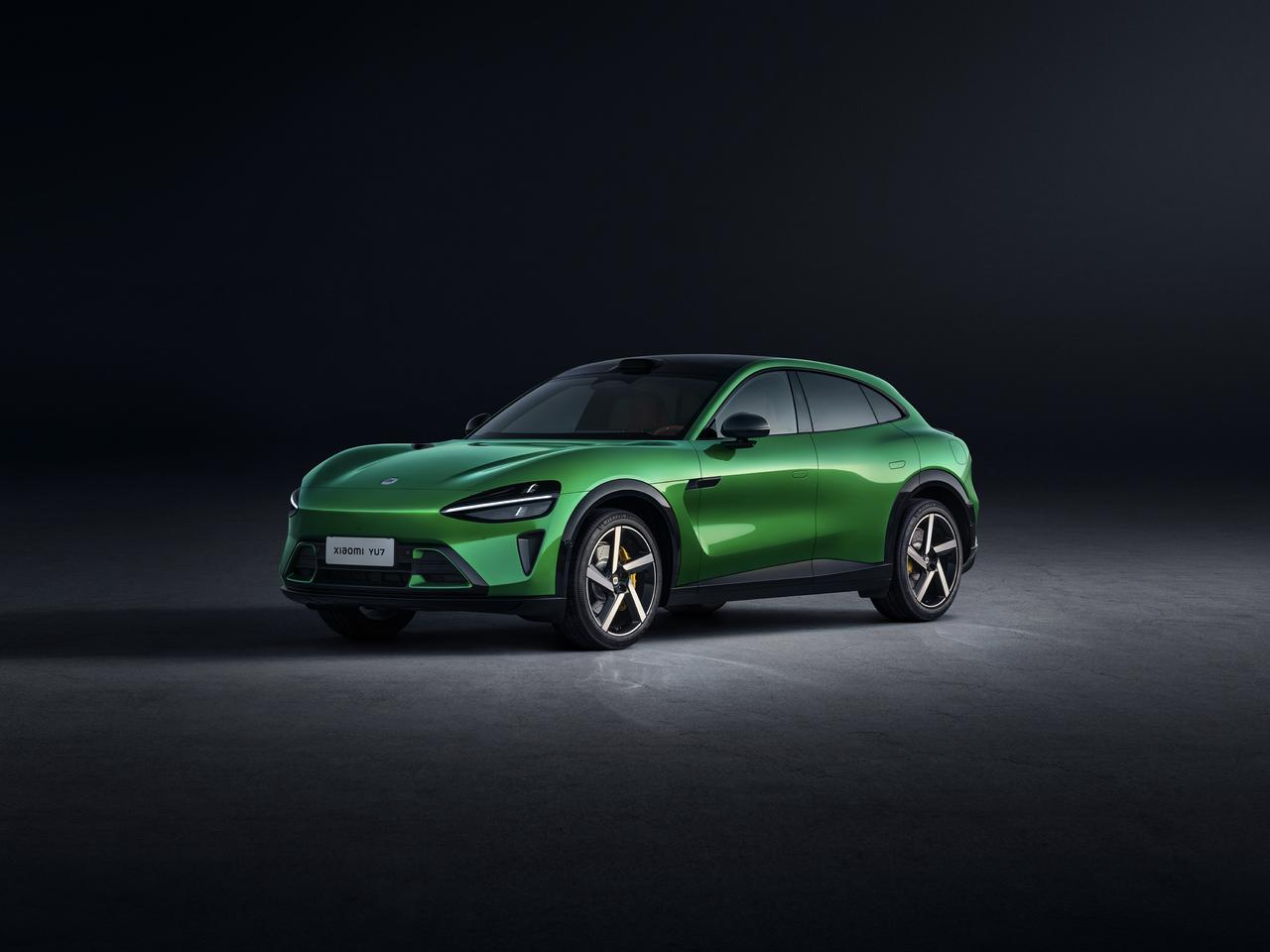
Xiaomi EV has expanded its automotive ambitions with the launch of SkyNomad, a new SUV series designed around the idea that a car should be more than just a machine for driving. With this second product line, Xiaomi is clearly moving beyond the “driver’s car” identity of the SU7 and YU7 and into a more family-oriented, space-focused, and intelligent mobility category. SkyNomad is positioned as an “intelligent, reconfigurable, large-space SUV,” and that positioning says a lot about where Xiaomi believes the market is heading.
The launch reflects a wider shift in how buyers, especially in China, now think about SUVs. Large six- and seven-seat vehicles are no longer rare, and feature-loaded interiors are becoming standard across the segment. But Xiaomi’s view is that true value is no longer defined only by size, seat count, or soft materials. Instead, the focus is shifting toward how comfortable, flexible, and useful the cabin feels in real life. In other words, a car is increasingly being judged as a personal living space on wheels, not just a vehicle to get from one place to another.
That thinking lies at the heart of SkyNomad’s development. Xiaomi says the idea began in early 2023, when it started studying how people actually use their vehicles across the day. A commute can stretch up to two hours, a parked car can become a place to rest or work, and weekend trips can turn a vehicle into a temporary family base or even a camping companion. SkyNomad is being created for exactly these situations, where one vehicle must perform multiple roles without feeling compromised in any one of them.
The new series is built on Xiaomi’s Kunlun Architecture, a platform designed from the ground up to support reconfigurable interior space. In an SUV body, the architecture uses a flat floor and long-track seating system, allowing the cabin to shift between different modes depending on the need. In driving mode, it can carry passengers, luggage, and pets with generous room. In parked modes, it can transform into a workspace, a lounge, or a family activity area. This kind of flexibility is becoming increasingly important in premium mobility, especially among buyers who expect more from their vehicles than transportation alone.
What makes SkyNomad especially notable is the way Xiaomi is blending automobile engineering with its broader strengths in smart devices and digital ecosystems. The company says the development of this SUV series required the integration of artificial intelligence, smart-device connectivity, and smart manufacturing. These are areas where Xiaomi already has deep experience, and that gives the company an advantage in building a car that feels connected to the rest of a user’s digital life. The idea is not just to make the SUV spacious, but to make it intelligent enough to adapt to different people and different routines.
Lei Jun, Xiaomi’s founder, chairman and CEO, described the concept as building “a living interior that moves with you.” That line captures the philosophy behind SkyNomad very well. Rather than treating the cabin as a fixed layout, Xiaomi has treated it as a dynamic environment that can respond to work, family, leisure, and travel. It is a vision that fits well with the company’s broader “Human × Car × Home” ecosystem strategy, which aims to connect cars, home devices, and personal electronics into one seamless digital environment.
SkyNomad is aimed at buyers who need one vehicle to do many jobs. It is not being sold as a lifestyle symbol alone, but as a practical and flexible tool for people who commute during the week, travel with family, and may occasionally want to work or relax from inside the vehicle. That makes it relevant for a wide customer base, especially professionals and parents who do not want separate vehicles for different needs. Xiaomi appears to be targeting the modern urban buyer who values convenience, adaptability, and smart integration as much as horsepower or badge value.
The SUV series is set to launch soon in the Chinese mainland after three and a half years of development. That timeline suggests Xiaomi has not rushed the product into market, but has instead spent considerable time refining the architecture and use case. In a segment where competition is intense and user expectations are rising quickly, such development depth could help Xiaomi stand out. The company is also leveraging its fast-growing reputation in consumer technology to make its EV brand feel more forward-looking and ecosystem-driven than traditional automakers.
The introduction of SkyNomad also shows that Xiaomi EV is no longer just experimenting with mobility. It is building a layered product portfolio with distinct roles for different customers. The SU7 and YU7 focus on the driver and performance-oriented appeal. SkyNomad, by contrast, shifts attention to the people inside the car and the quality of their experience. That distinction is important because it indicates Xiaomi is thinking about the market in terms of usage scenarios rather than just vehicle categories.
In the bigger picture, SkyNomad reflects how the definition of an SUV is changing. Power and size still matter, but flexibility, intelligence, and cabin experience are becoming equally important. Xiaomi is betting that the next wave of premium buyers will want vehicles that can work as office, lounge, family room, and travel companion all at once. If the company can deliver on that promise, SkyNomad could become one of the most interesting examples of how consumer-tech companies are reshaping the future of the automobile.