
























Following an amendment to the Central Motor Vehicles Rules, 1989 by the Ministry of Road Transport and Highways (MoRTH).
This amendment adds E100, nearly 100% Ethanol to the certification requirements for vehicles.
The amendment to the rules, now notified (October 23, 2026) and published (October 26) in the Gazette updates Rule 115 of the CMVR. It specifies that E85 can also be replaced with E100 in emission and testing rules.
What is E100?
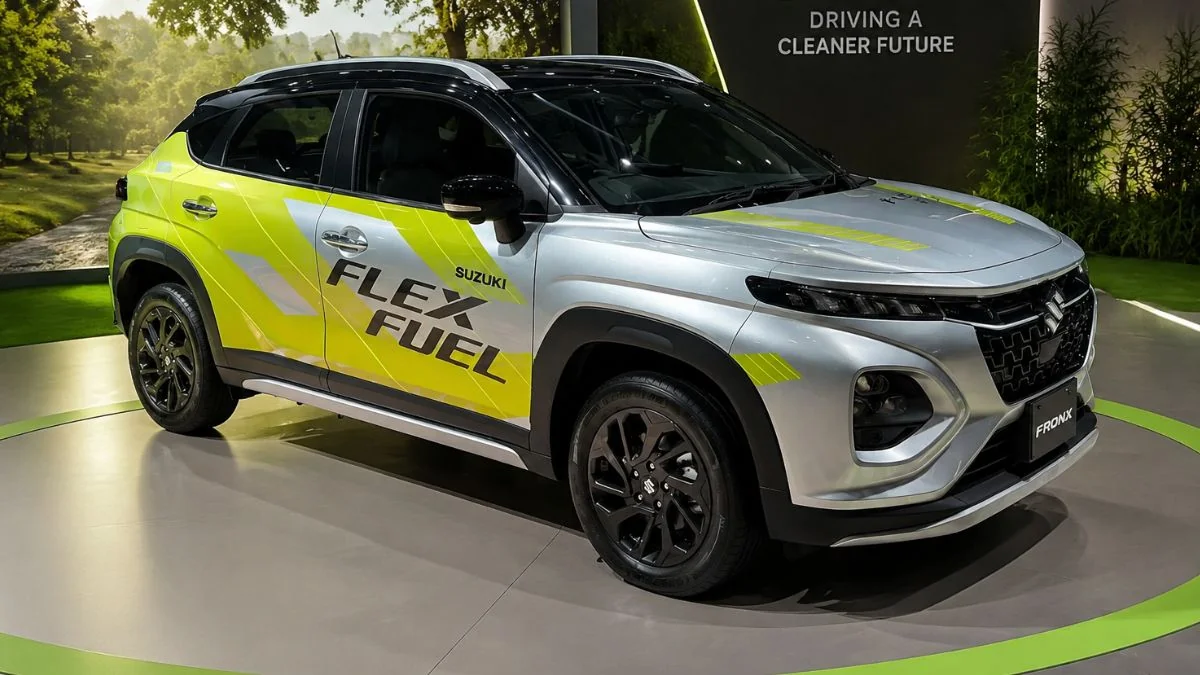
E100 is technically pure ethanol, however, it is typically around 93%-95% Ethanol and blended with petrol. Flex Fuel Vehicles (FFVs) using internal combustion engines can run on petrol, ethanol, methanol and any combination of either fuel in one tank.
The changes allow vehicles to run on E85 and E100 fuels however, they must be specifically designed and manufactured for those fuels.
What has changed?
The amendment to the CMVR include:
Adding E100 to the Emission Certification tables so that FFVs running on E100 can be type approved and registered.
Only vehicles specifically designed and manufactured for E85 and E100 can run on those fuels.
There is no requirement to change fuels if you own a current petrol or E20 car.
Biodiesel references have been updated to B100.
The Gross Vehicle Weight of Light Petrol and Diesel Vehicles has been increased to 3500kg from 3000kg.
Errors corrected.
What does this mean for buyers?
Not all cars can run on E100. If your car was designed to run on E10 or E20 petrol then it will not be able to run on E85 or E100. Higher Ethanol content is corrosive and due to the density properties requires specific materials and engine tuning.
Make sure to check the fuel compatibility label on your vehicle and stick to what the manufacturer recommend in the handbook.
Flex Fuel in India
India is looking to move away from importing crude oil by using ethanol blended fuels. They have already introduced E20 petrol nation wide and are now looking to increase the ethanol blend.
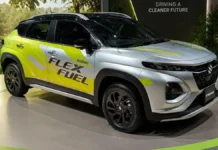
In June 2026 Maruti Suzuki launched their Wagon R Flex Fuel Vehicle for Rs. 7.24 Lakh making it the first Flex Fuel vehicle in India. The vehicle can run on Ethanol blended fuels from E20 up to E100.
Many other manufacturers such as Toyota, Tata Motors, Hyundai and Mahindra are creating Flex Fuel Vehicles. Union Minister Nitin Gadkari previously mentioned that these companies would be able to launch Flex Engine models within 1-2 months.
Read this- HYUNDAI BAYON Launched In India At Starting Price Of Rs. 9.99 Lakh
Issues
Despite the approval of Flex Fuel Vehicles there are still some issues.
Very few Flex Fuel models are currently available. More will be coming from other OEMs shortly.
E100 is not currently widely available at fuel stations.
Without a good fuel supply chain in place vehicles will be limited.
Why E100 is good for India
Using E100 Flex Fuel Vehicles will help reduce crude imports.
It helps farmers as E100 is mostly made from sugarcane and grain increasing rural income.
Cleaner emissions due to ethanol burning cleaner than petrol.
Increased energy independence due to using ethanol produced domestically.
This amendment to the CMVR by the MoRTH is a significant point in the road to launching E100 Flex Fuel Vehicles in India. The government have added E100 to the emission certification requirements meaning OEMs know they can create, certify and sell these vehicles.
The challenge will be getting the fuel out there. Maruti Suzuki have their Wagon R Flex Fuel on sale and other manufacturers will be coming soon. However, without a network of E100 fuel across the country it won’t be very successful.
watch this-