













Renault-Geely backed Horse Powertrain is preparing to enter India with a major investment that could reshape the future of hybrid vehicles from Renault and Nissan. The company’s planned local push is expected to support hybrid powertrains for the upcoming Renault Duster and Nissan Tekton, while also keeping the technology ready for E85, E100, and synthetic fuels.
The most important part of the story is localization. Horse Powertrain is reportedly planning to invest about $370 million, or roughly ₹3,500 crore, in India in phases, with Renault’s Chennai facility expected to be the starting point. If approved, this would allow the company to manufacture strong-hybrid powertrains locally instead of relying heavily on imports. That would help reduce costs, improve supply chain stability, and make hybrid vehicles more competitive in the Indian market.
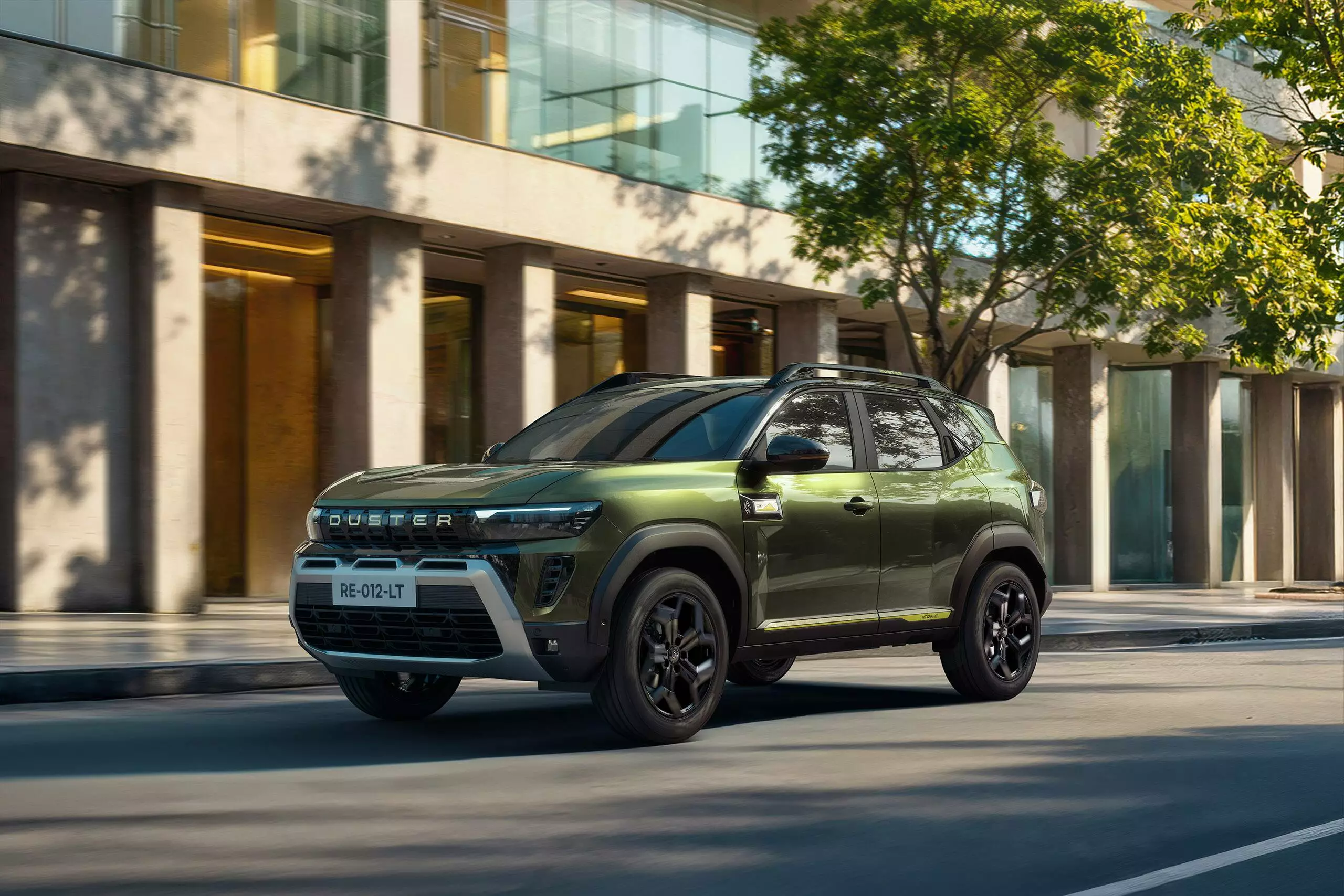
The Renault Duster is likely to be the first model to benefit from this move. According to reports, the SUV’s upcoming strong-hybrid version could use a Horse-developed 1.8-litre hybrid powertrain. Renault has already announced that the E-Tech 160 strong-hybrid setup is planned for India, with a market introduction expected around Diwali 2026. For a model like the Duster, which has always been known for ruggedness and practicality, hybrid power could add efficiency without taking away its core appeal.auto.
Nissan’s Tekton is also expected to benefit from the same broader powertrain ecosystem. While the Tekton is still in development, the report suggests that Horse Powertrain’s India operations could eventually support multiple models within the Renault-Nissan alliance. That means the Tekton could arrive with a locally adapted hybrid option later in its life cycle, especially if the market responds well to the Duster hybrid. This would fit Nissan’s strategy of building a more distinct and future-ready SUV lineup for India.auto.
A major advantage of Horse Powertrain’s technology is fuel flexibility. The hybrid setup is designed to support petrol as well as E85, E100, and even synthetic fuels. This matters a lot for India, where the government is pushing toward higher ethanol blending and alternative fuel adoption. A powertrain that can handle multiple fuel types gives automakers more room to adapt as fuel standards and consumer expectations evolve.
The timing also makes sense from a strategic point of view. India is becoming more open to hybrid technologies as buyers look for a middle ground between traditional petrol engines and full EVs. Strong hybrids offer better fuel efficiency, lower emissions, and easier ownership than many EVs, especially for customers who do not have reliable charging access. That positions Duster and Tekton well in a market that still values long-range flexibility and lower running costs.
Horse Powertrain itself is a relatively new but important name in the global powertrain space. The company was formed as a Renault-Geely joint venture, with Saudi Aramco later taking a 10 percent stake. Its India entry would not just support Renault and Nissan, but could also make the company a supplier to other automakers in the future. That would strengthen India’s role as a hybrid manufacturing hub and deepen the country’s automotive localization ecosystem.auto.
For Renault and Nissan, the bigger picture is clear. The alliance wants to build more competitive products for India with stronger local sourcing, better cost control, and powertrains suited to the market’s next phase of growth. The Duster and Tekton are likely to be among the first beneficiaries of that strategy, especially if Horse Powertrain’s investment gets the green light.
In simple terms, this is not just about one engine or one SUV. It is about building a flexible powertrain base that can support the next generation of Renault and Nissan vehicles in India. If the plan moves forward as expected, the Duster and Tekton could become early examples of how hybrid technology, local production, and fuel adaptability come together in the Indian market.