


































Electric vehicles are moving from a niche choice to a mainstream option, and the next few years will shape how quickly that shift happens. Growth is being driven by stronger sales, better batteries, more charging points, and rising interest from drivers who want lower running costs and cleaner transport.
The road ahead
One of the biggest changes in the EV market is scale. Global passenger EV sales reached 23.3 million in 2026, which was an 11% rise from 2025, and public charging networks also expanded sharply, with connectors rising to 6.7 million after 28% growth in 2025. That kind of expansion matters because buyers do not just need a car, they need confidence that they can charge it easily at home, at work, and on longer trips.
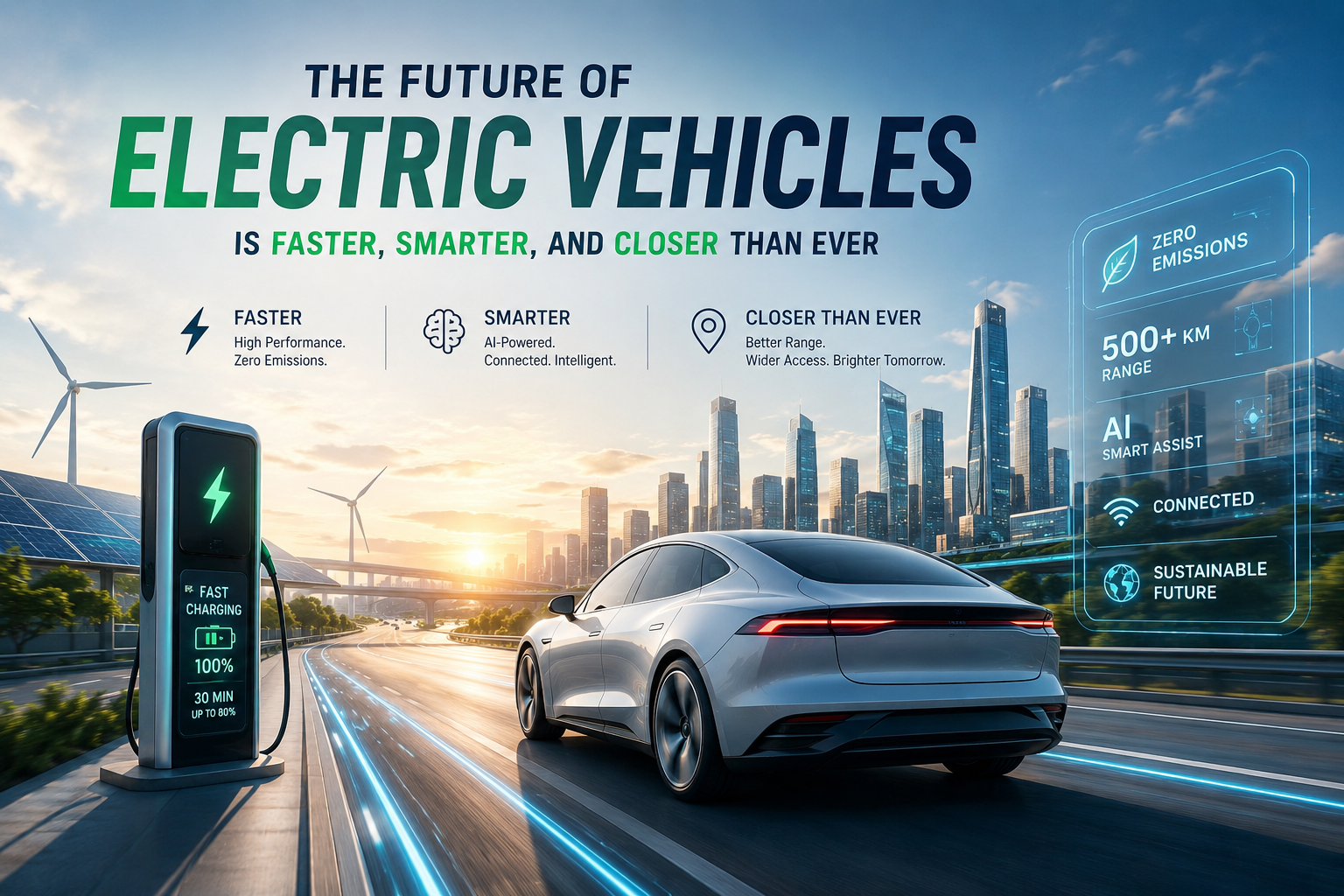
Battery improvements are also making EVs more practical. Longer range, faster charging, and more durable battery chemistry are helping reduce the worry that once held many people back. As costs come down and more models enter the market, electric cars are becoming realistic for more families, not only early adopters and tech enthusiasts.
What will drive change
Government policy will remain a major force. Many countries and states have set targets to phase out new gasoline car sales over the next decade or so, and those rules continue to push automakers toward electrification. Even where policy shifts create uncertainty, manufacturers are still investing in EVs because they see long-term demand.cnn+1
Charging infrastructure will decide how fast adoption grows. The stronger the network of fast chargers and reliable home charging, the easier it becomes for people to switch from gasoline to electric. In many places, the next wave of growth is likely to come from better access rather than from car performance alone.
Technology and lifestyle
The future of EVs is not only about cleaner engines. New models are becoming more connected, more efficient, and more personalized, with software helping manage routing, charging, climate control, and battery use. That means the car is increasingly acting like a smart device on wheels rather than just a machine for getting from one place to another.
Design is changing too. Automakers are creating vehicles that are more aerodynamic, more spacious inside, and better suited to everyday use in different climates. For many buyers, the appeal will be a mix of savings, convenience, and a better driving experience, not just environmental benefit.
The EV future looks strong, but it will not happen overnight. Full adoption is still likely years away, and the transition will vary by country, income level, infrastructure, and policy support. Still, the direction is clear: electric vehicles are becoming a central part of the future of transport, and their role will keep expanding as technology improves and more drivers make the switch.